The Essential Guide to Living in Charlestown for Young Professionals
Charlestown blends quiet brick hills with Navy Yard energy: 80 walk/transit scores, 21-min average commute, 02129 condos around $883/SF.
Written ByAndrew Schwartz
PublishedSeptember 9, 2026
We're SmartHub Boston, a data-driven brokerage led by Andrew Schwartz serving buyers, sellers, investors and landlords across Boston, Cambridge, Newton and Brookline. Serving Boston, Newton, Brookline, Cambridge, Somerville, Watertown, Natick, Wellesley and Weston, MA.
# Charlestown Neighborhood Guide: Urban Energy Meets Historic Charm
Every young professional searching Boston eventually asks the same question: where can I actually own something, walk to a decent pub, and still make it to a downtown desk in fifteen minutes? Charlestown lands on that shortlist almost every time. What follows is the briefing I give clients before we ever schedule a showing — the vibe, the housing stock, the social hubs, and the commute, without the sales pitch.
What Is the Vibe Like in Charlestown, and Is It Quiet or Busy?
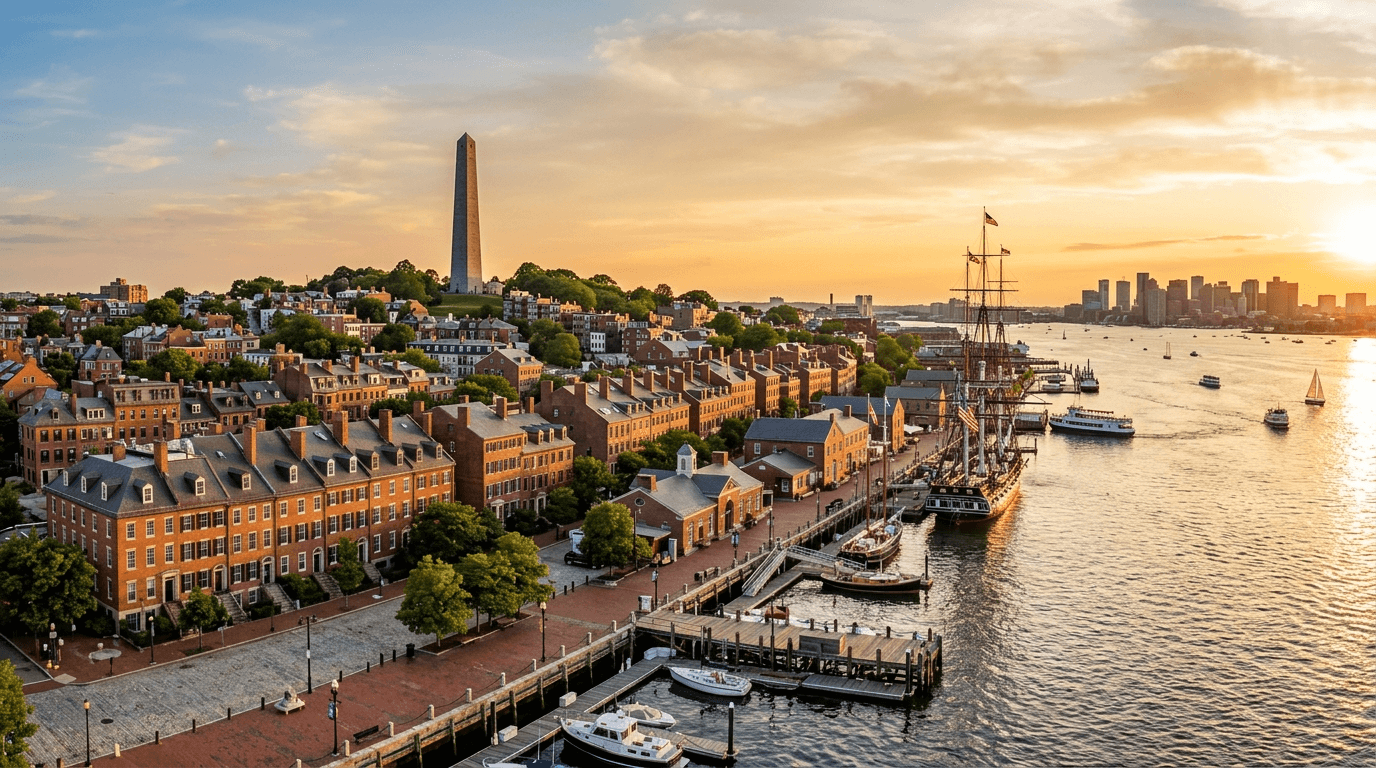
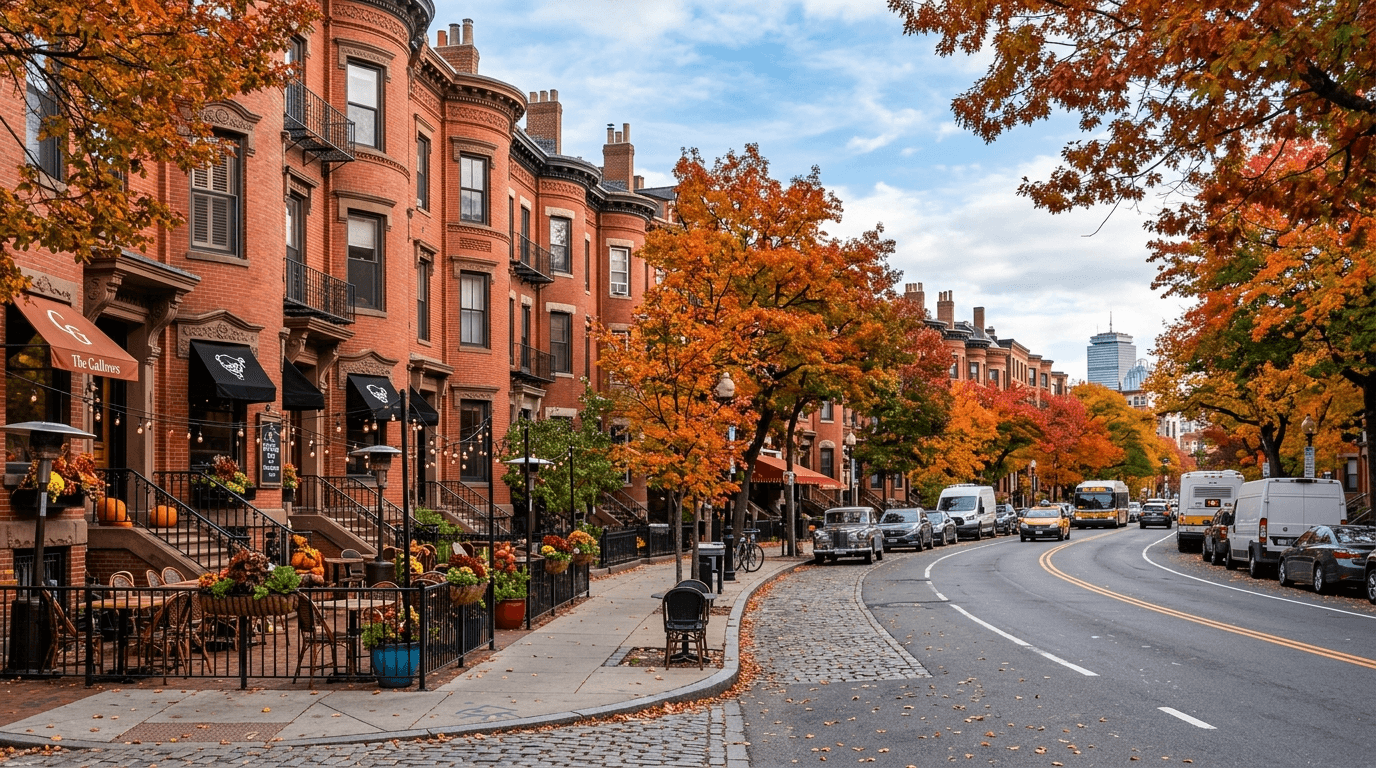
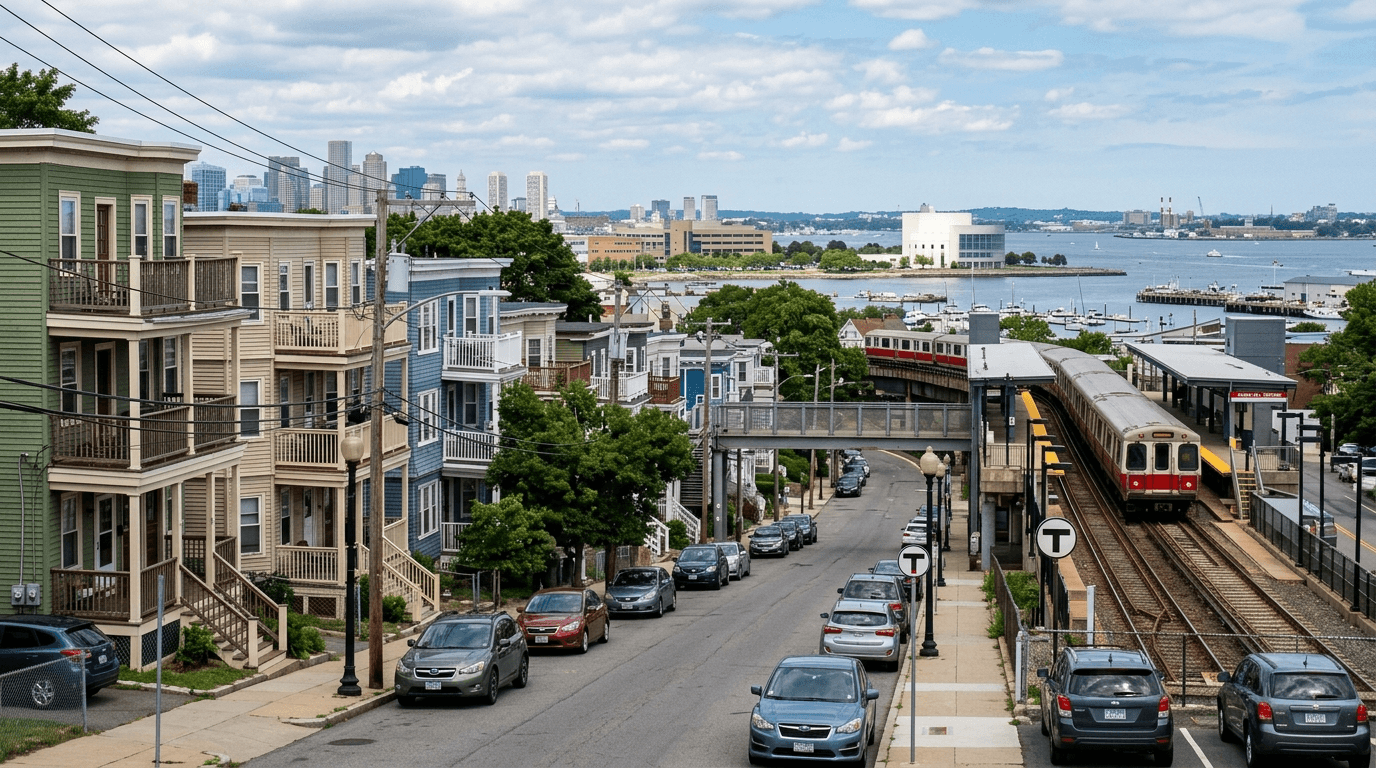
Charlestown is busy at its edges and quiet in its middle. Main Street, City Square, and the Navy Yard waterfront hum with restaurant traffic and after-work crowds. Climb the residential blocks toward Bunker Hill and it goes remarkably calm — narrow streets, brick facades, almost no through traffic.
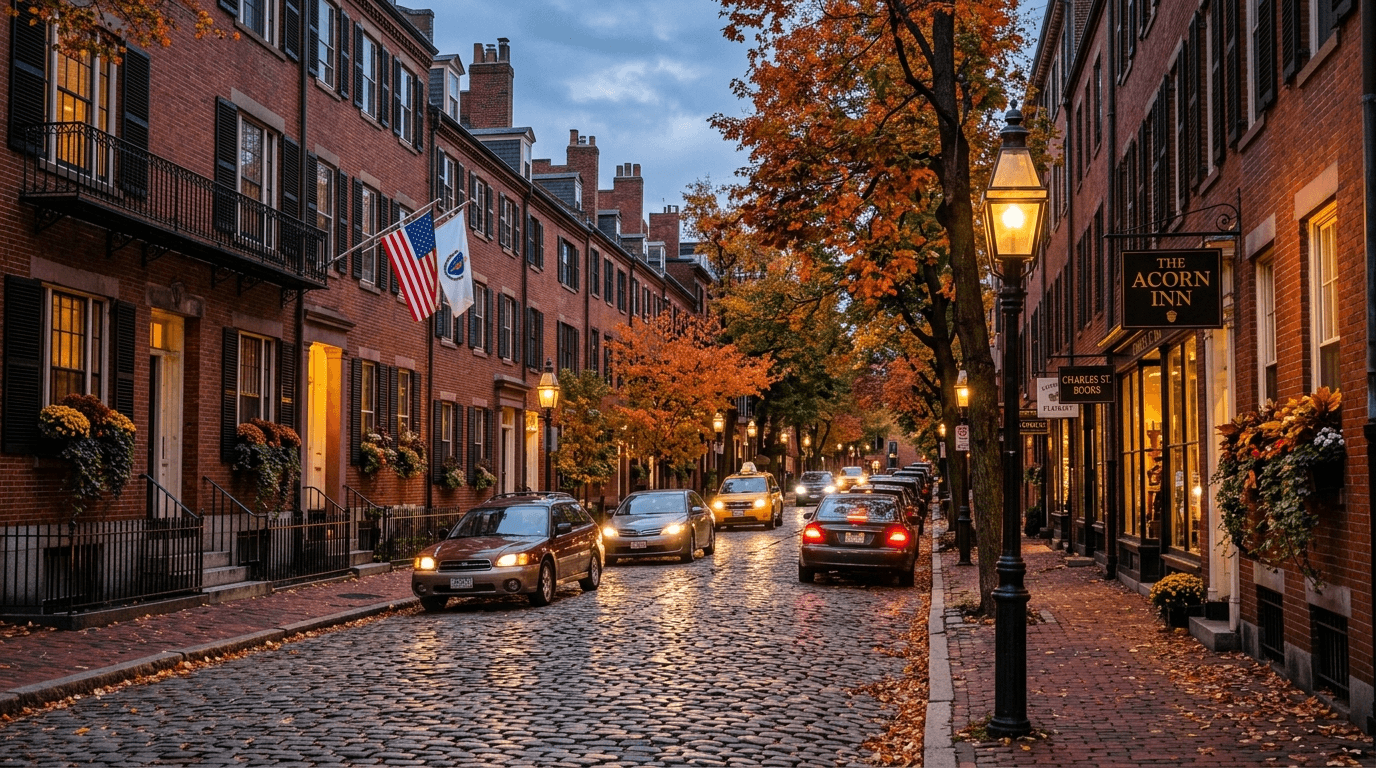
That contrast is the whole appeal. Charlestown was laid out in 1629, and the street grid still behaves like a colonial village: short blocks, gas-style lamps, cobblestone patches, and the 221-foot Bunker Hill Monument anchoring the skyline. Walk three blocks toward the water, though, and the neighborhood turns genuinely social — waterfront patios, craft beer, and a Friday-night crowd that skews young.
The numbers confirm what you feel on foot. The median age is 35.6, and the 25-to-44 cohort is the single largest age group at 6,383 residents, more than double the next closest bracket. Roughly 93.9% of the working population holds white-collar jobs. Median household income sits at $157,247, and among 25-to-44-year-old households it climbs to $189,615.
Translation: your neighbors are mostly people your age, at similar points in their careers, who chose this neighborhood for the reasons you're weighing right now.
A few honest observations from showing here regularly:
•It's not a nightlife district. Bars close early by big-city standards. Monument Charlestown Restaurant & Tavern runs a late menu until midnight on Fridays and Saturdays, and that's roughly as late as the neighborhood gets.
•Grocery and restaurant density is thinner than the South End or Back Bay. There's Whole Foods and a handful of markets, but you'll cross the bridge for variety.
•Noise is manageable. The neighborhood scores 71/100 on sound — quieter than most urban Boston addresses, though I-93 proximity matters block by block.
For car-light buyers, two numbers do most of the talking: a walkability score of 80/100 and a transit score of 80/100.
Urban Mobility & Livability Scores
Charlestown scores strongly for walkability and transit access, key lifestyle factors for young professionals who want a car-light Boston routine.
Bikeability70/100
Walkability80/100
Transit80/100
Sound Score71/100
Charlestown scores strongly for walkability and transit access, key lifestyle factors for young professionals who want a car-light Boston routine.
What Are Condos and Townhomes Like in Charlestown?
Charlestown is a condo-and-townhome market, full stop. Roughly 7,304 total housing units sit in the neighborhood, and ownership splits almost exactly down the middle: 50.5% owner-occupied, 49.5% renter-occupied. Only 79 units have been built since 2020, which means you're overwhelmingly buying into existing brick stock or a conversion of it.
What architectural styles dominate Charlestown housing?
Three categories cover nearly everything you'll tour.
1. Historic brick row houses (the classic "Townie" stock).
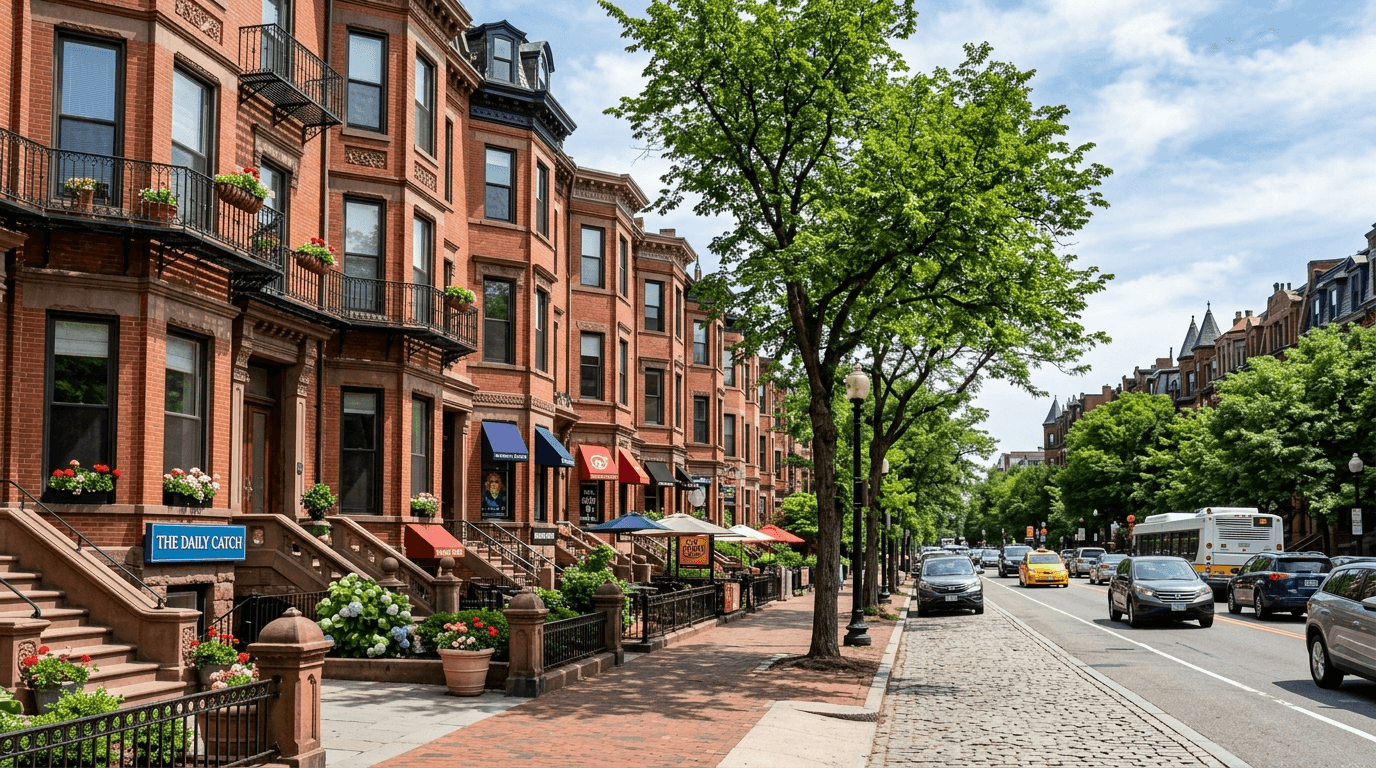
Federal and Greek Revival rowhouses cluster around Monument Square, Winthrop Square, and the streets radiating off Main. Most have been carved into two- to four-unit condo associations. Expect 650 to 1,200 square feet per unit, original details, narrow stairs, and — if you're lucky — a private roof deck or a slice of back patio. These are the buildings that make Charlestown look like Beacon Hill's less expensive cousin.
2. Multi-level townhomes.
Whole-building or half-building ownership across two to three floors. This is where the single-family-adjacent inventory lives, and it's scarce. Only a handful of true single-family transactions close in a given year.
3. Navy Yard waterfront condos and loft conversions.
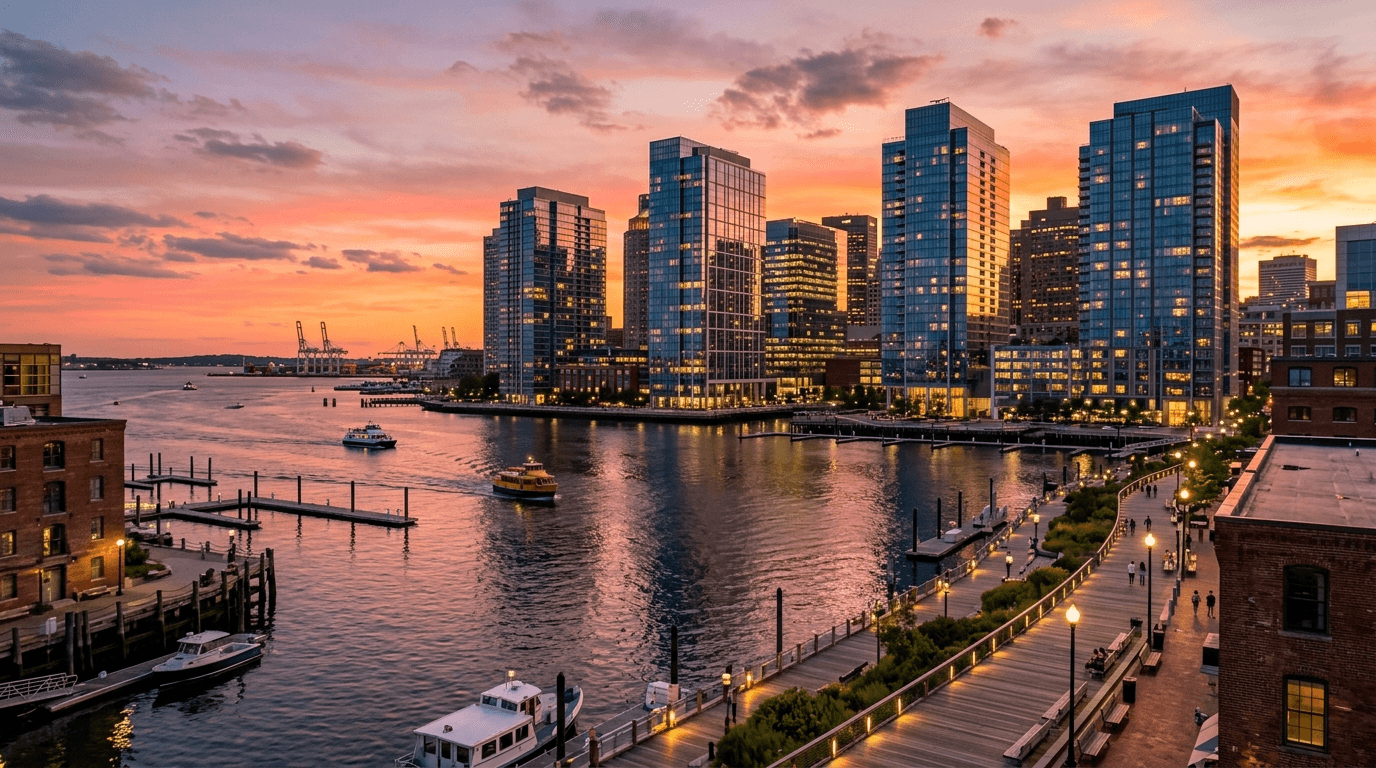
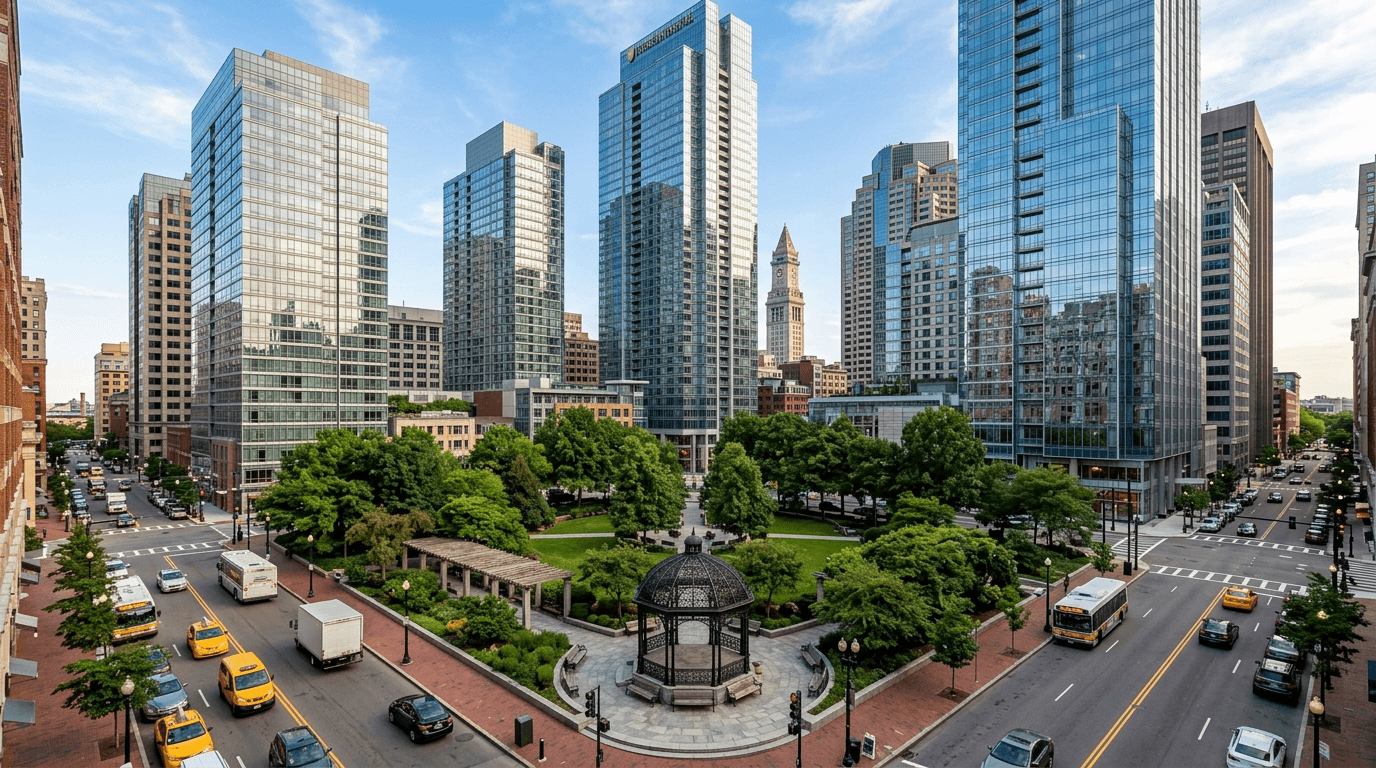
Former shipyard buildings and 1980s–1990s mid-rises converted into full-amenity residential. Flagship Wharf, for example, holds 201 units across 10 stories, built in 1989, with units ranging from around 700 to nearly 2,700 square feet. Elevators, concierge service, garage parking, harbor views — everything the rowhouses can't offer.
What are typical lot sizes in Charlestown?
There's effectively no lot to speak of, and that's by design. Charlestown is one of the densest residential neighborhoods in Boston, built vertically on a peninsula. Outdoor space arrives in four forms:
•Private roof decks (the single most valuable amenity in the rowhouse market)
•Small rear patios or shared courtyards
•Balconies in the Navy Yard mid-rises
•Public green space — Winthrop Square , Edwards Playground, and the Monument grounds serve as everyone's backyard
If you need a lawn, look elsewhere. If you want a deck with a Zakim Bridge view and a five-minute walk to the water, it's hard to beat.
What do homes actually cost in Charlestown?
Average condo sale prices have moved from the high-$900Ks in 2022 to just above $1.03M in 2026 year-to-date. That's steady appreciation rather than a spike — exactly what you want if you're buying to hold five-plus years.
Charlestown Condo Prices: Five-Year Trend
Average Charlestown condo sale prices have climbed from the high-$900Ks in 2022 to just over $1.03M in 2026 year-to-date, signaling durable demand in the neighborhood’s condo market.
Average Charlestown condo sale prices have climbed from the high-$900Ks in 2022 to just over $1.03M in 2026 year-to-date, signaling durable demand in the neighborhood’s condo market.
The 2026 headline numbers point to a fast, competitive market: an all-property median sale price of $1,199,591, up 14.2% year over year. That figure runs higher than the condo-only average above because it includes townhomes and full buildings. Homes are moving in a median of 16 days, with a sale-to-list ratio of 101.9% and nearly half of all homes (47.2%) selling above list.
Charlestown 2026 Market Snapshot
Headline numbers for young professionals weighing Charlestown’s fast-moving, premium housing market: prices are above $1M, homes move quickly, and nearly half sell above list.
Compact one-bedrooms and small two-bed rowhouse units
$900K–$1.5M
Renovated flats and townhouse units — the core of the market
$1.5M+
Trophy penthouses, Navy Yard waterfront, full townhomes
Is Charlestown a better value than Back Bay or Seaport?
On price per square foot, yes — and it isn't close. Charlestown's 02129 zip runs a median condo price around $949,000 at roughly $883 per square foot. Compare that to $1,596 in Back Bay, $1,481 in Seaport, and $1,324 in Beacon Hill.
Boston Condo Pricing by Neighborhood
Charlestown prices below Back Bay, Beacon Hill, and Seaport on price per square foot, offering a relative value play for buyers who still want an urban Boston address.
You're buying meaningfully more square footage per dollar while keeping a downtown-adjacent address. That's the core Charlestown argument, and it's why first-time buyers who start their search in the Seaport frequently end up closing here.
What do HOA fees typically look like in Charlestown condos?
This is the question that catches buyers off guard. Run the numbers before you fall in love with a unit.
•Small rowhouse conversions: roughly $200 to $400 per month. A unit at 24 Albion Place, for instance, carries $250/month. Low fees — but the association is you and two neighbors, which means you're self-managing roof, masonry, and utilities.
•Full-amenity Navy Yard buildings: roughly $400 to $800+, and higher at the most amenitized addresses. Flagship Wharf averages $1,321/month, ranging from $859 to $2,332 depending on unit size.
For context, the mean monthly HOA across Boston is about $425 — below New York ($695) and San Francisco ($685), but well above Philadelphia or Chicago. When I underwrite a Charlestown purchase with a client, the fee is usually the difference-maker between two units that look identical on paper.
One zoning note worth filing away: Charlestown adopted state ADU allowances, permitting accessory units up to 900 square feet or 60% of the primary dwelling. On this lot geometry it rarely pencils out, but it matters if you're eyeing a full townhome with an unfinished lower level.
What Are the Main Landmarks and Social Hubs in Charlestown?
Charlestown's social life runs along three axes: the Monument, Main Street, and the Navy Yard waterfront. Learn those three and you've learned the neighborhood.
What happens around Charlestown's Bunker Hill Monument and Monument Square?
The 221-foot obelisk commemorating the 1775 battle isn't just a tourist stop. The surrounding square is where the neighborhood actually gathers — runners looping it, dog owners circling it, and the brownstones facing it representing the top of the local market. One recently listed at $6.5 million.
Preservation is an active conversation here. A study committee formed in July 2022 to landmark Monument Square, with completion expected in 2027, and the area already carries a 90-day demolition delay. For buyers, that means the streetscape you're buying into will likely look the same in a decade. In a city where that's rarely guaranteed, it's a real asset.
What is Main Street and Thompson Square like in Charlestown?
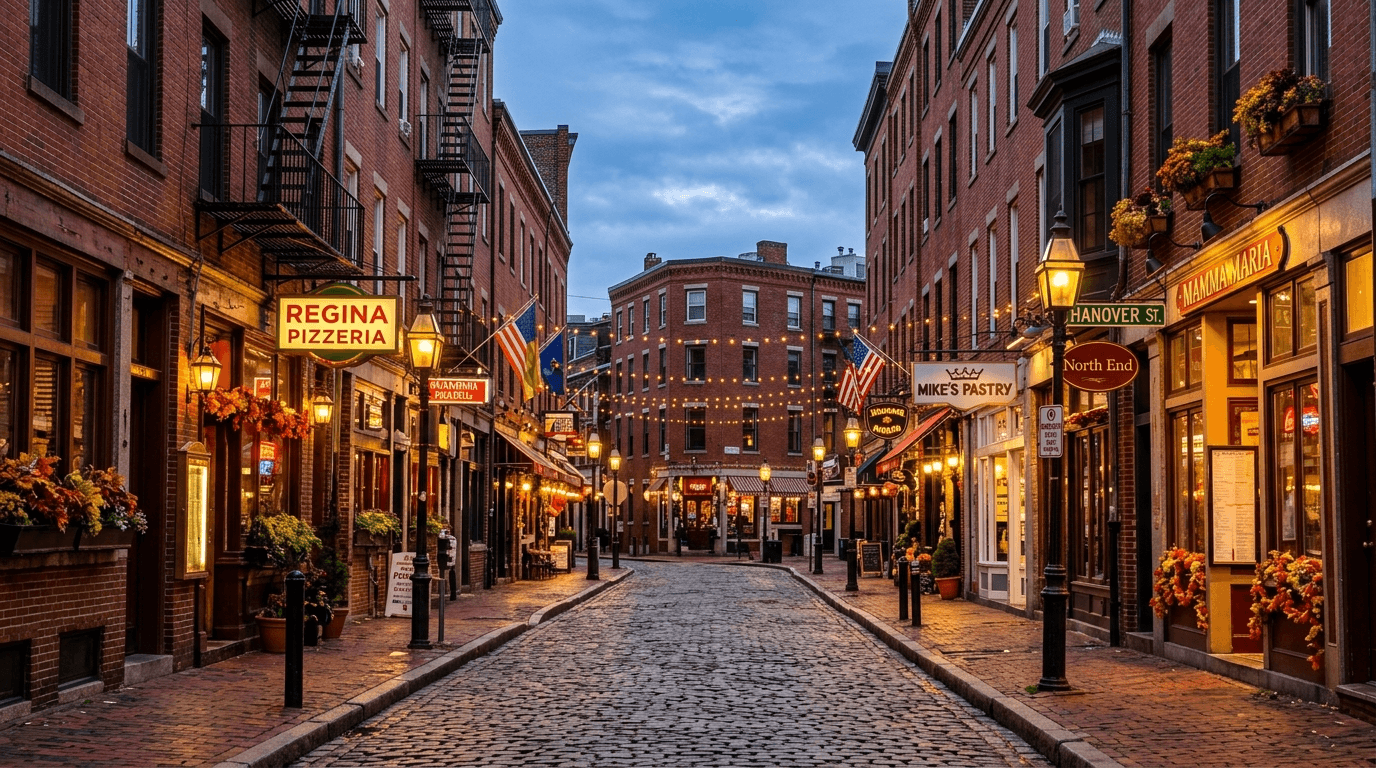
Main Street is the everyday corridor: coffee in the morning, dinner and drinks at night. Warren Tavern has been pouring since 1780 and still functions as the neighborhood's living room. Brewer's Fork does wood-fired pizza and craft beer to a consistently packed room, and the cafe density along Main and around Thompson Square is genuinely strong for a neighborhood this size.
Why is the Charlestown Navy Yard waterfront the social anchor?
The former shipyard employed 50,000 people at its WWII peak. Today it's the neighborhood's amenity engine: Harborwalk access, marina views, USS Constitution, outdoor drinking, and the residential buildings that supply most of Charlestown's condo inventory. This is where the neighborhood feels less like a colonial village and more like a modern waterfront district.
What's being built in Charlestown right now?
Two projects will reshape the neighborhood's energy over the next several years. They're also the reason I tell buyers that Charlestown's amenity gap versus other neighborhoods is closing, not widening.
Major Development Projects in Charlestown
Large mixed-use projects are reshaping Charlestown’s residential, office, retail, and entertainment footprint—important context for buyers tracking future neighborhood energy and amenities.
Hood Park is a 20-acre mixed-use redevelopment near Sullivan Square combining 177 residential units, 375,000 square feet of office, and a 63,000-square-foot concert venue with capacity for 4,000 people. A live-music venue at that scale, walkable from home, changes the lifestyle math for the whole neighborhood.
One Charlestown, the $1.4B redevelopment of the city's largest affordable housing complex, is planned at 2,100 apartments plus 90,000 square feet of civic and retail space.
If you're buying on a five-to-ten-year horizon, these two projects are the most important context for the north end of the neighborhood.
How Is the Commute from Charlestown to Downtown Boston and Cambridge?
Charlestown's average commute is 21 minutes, and only 51.4% of residents drive to work. The rest walk (21.8%), bike (11.2%), or take the bus (10.2%). For a neighborhood that isn't sitting on top of a subway hub, that's an unusually car-light profile — and it's why the transit score lands at 80/100.
Which MBTA stations serve Charlestown?
Orange Line — Community College Station. The workhorse. One stop to North Station, two to Haymarket, three to State Street, four to Downtown Crossing. Realistically, that's 10 to 15 minutes door-to-desk from most of the neighborhood's southern half if you're headed to the Financial District.
Orange Line — Sullivan Square Station. Serves the northern edge near Hood Park and doubles as a major bus terminal. If you work in Cambridge or Somerville, Sullivan is often the better bet, with connections toward Kendall and Union Square.
North Station (walkable). From City Square or the lower Navy Yard, North Station is a genuine walk across the Charlestown Bridge — roughly 15 to 20 minutes. That puts the Green Line, Orange Line, and every Commuter Rail line north of the city within walking distance. Buyers consistently underestimate this one.
Is the ferry a realistic commute from Charlestown?
Yes, and it's the best-kept secret in the neighborhood. The MBTA Harbor Ferry runs from the Navy Yard directly to Long Wharf downtown — a roughly ten-minute crossing with harbor views, no transfers, no tunnel. Navy Yard residents working near the waterfront, the Aquarium, or the Seaport often make this their primary commute and treat the Orange Line as backup.
I'll be blunt with clients: if you're buying in the Navy Yard, the ferry schedule belongs in your due diligence. It's excellent during service hours and nonexistent outside them.
What is driving and biking like in Charlestown?
Driving: Immediate access to I-93 in both directions, plus Route 1 over the Tobin Bridge. Charlestown is one of the easiest Boston neighborhoods to leave by car — twenty minutes to Logan through the Ted Williams Tunnel off-peak, and a clean shot north toward 128. The tradeoff is parking. Deeded spaces in the rowhouse market command a real premium, and resident permit parking on the hill blocks gets competitive. Confirm parking in writing before you go under agreement.
Biking: A 70/100 bikeability score, Bluebikes stations throughout the neighborhood, and separated paths along the Harborwalk. The ride into the Financial District or over to Kendall Square is short and mostly flat once you're off the hill. Eleven percent of residents commute by bike, which is a high figure for Boston.
Who Should Buy in Charlestown?
Charlestown works best for the buyer who wants a walkable, transit-connected, genuinely social neighborhood without Back Bay or Seaport pricing per square foot. You trade lot size, grocery variety, and late-night options for historic character, harbor access, a shorter commute than almost anywhere else in the city, and a peer group of similarly-aged professionals.
The market moves fast — homes here sell in roughly two weeks and frequently clear list price. The buyers who win are the ones who've already sorted their financing, decided where they stand on condo fees versus self-managed associations, and know which blocks they'll accept before a listing goes live.
If you're mapping out a Charlestown search, make two decisions early: rowhouse or Navy Yard, and parking or no parking. Everything else follows from there.
Is Charlestown in Boston, MA a good place for young professionals to live?
Charlestown is especially well-suited to young professionals who want a walkable, transit-connected neighborhood near downtown Boston. The median age is 35.6, and residents ages 25 to 44 make up the largest age group in the neighborhood.
Is Charlestown, Boston, MA quiet or busy?
Charlestown is busiest around Main Street, City Square, and the Navy Yard waterfront, where restaurants, pubs, and after-work crowds are concentrated. The residential blocks around Bunker Hill are much quieter, with narrow brick-lined streets and limited through traffic.
What types of condos and townhomes are common in Charlestown, Boston, MA?
Charlestown is primarily a condo-and-townhome market, with historic brick rowhouse conversions, multi-level townhomes, and Navy Yard waterfront condos making up the main housing options. Many rowhouses have been divided into two- to four-unit condo associations, while Navy Yard buildings often offer elevators, concierge service, garage parking, and harbor views.
How much do homes cost in Charlestown, Boston, MA?
Charlestown’s 2026 all-property median sale price is $1,199,591, with homes selling in a median of 16 days. Condo prices have averaged just above $1.03 million in 2026 year-to-date, while the 02129 zip code has a median condo price around $949,000 at roughly $883 per square foot.
Are HOA fees high for condos in Charlestown, Boston, MA?
HOA fees vary significantly by building type. Small rowhouse conversions often run about $200 to $400 per month, while full-amenity Navy Yard buildings are typically around $400 to $800 or more per month, with some buildings averaging higher depending on services and unit size.
How is the commute from Charlestown, Boston, MA to downtown Boston?
Charlestown’s average commute is 21 minutes, and many residents commute without a car. From Community College Station on the Orange Line, downtown stops such as North Station, Haymarket, State Street, and Downtown Crossing are only a few stops away.
Is public transportation convenient in Charlestown, Boston, MA?
Charlestown has an 80/100 transit score and is served by the Orange Line at Community College and Sullivan Square. North Station is also walkable from City Square and the lower Navy Yard, and the MBTA Harbor Ferry connects the Navy Yard to Long Wharf in about ten minutes.
What should families know about living in Charlestown, Boston, MA?
Charlestown offers a quieter residential core, public green spaces such as Winthrop Square, Edwards Playground, and the Bunker Hill Monument grounds, and strong walkability. Families should understand that private outdoor space is limited, since most housing is built vertically with roof decks, small patios, shared courtyards, or balconies rather than lawns.