South Boston Neighborhood Guide: Coastal Condo Living for Young Professionals
Southie's energetic coastal vibe: condos near Broadway, Castle Island, Red Line commutes, $790K median sold price and $865/sq ft market data.
Written ByAndrew Schwartz
PublishedSeptember 9, 2026
We're SmartHub Boston, a data-driven brokerage led by Andrew Schwartz serving buyers, sellers, investors and landlords across Boston, Cambridge, Newton and Brookline. Serving Boston, Newton, Brookline, Cambridge, Somerville, Watertown, Natick, Wellesley and Weston, MA.
# South Boston Neighborhood Guide: The Premier Hub for Young Professionals
Ask a young professional in Boston where they'd live if they wanted a real neighborhood, salt air, and a commute under twenty minutes to the Financial District or Seaport, and South Boston comes up almost every time. Locals call it Southie. This guide takes the ground-level view: how the streets actually feel, what you're buying when you buy here, where people gather, and how you'll get to work on a Tuesday morning.
What Is the Vibe Like in South Boston — Is It Quiet or Busy?
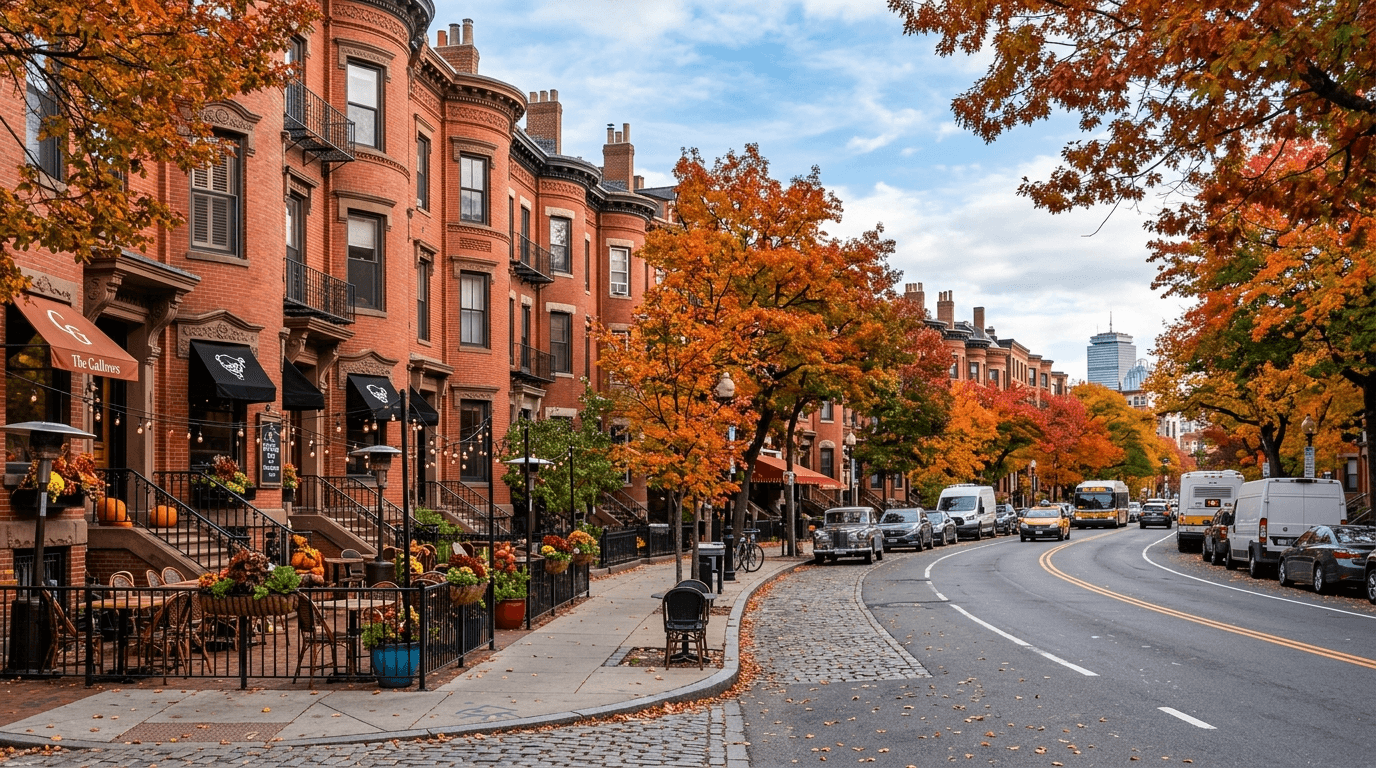
South Boston is busy, energetic, and unapologetically social — but it's a neighborhood, not a downtown. Broadway hums seven days a week. Walk three blocks toward the water on a residential side street like K or L, though, and the volume drops noticeably.
The rhythm here is distinct. Weekday mornings bring a steady stream of gym bags and coffee cups toward Broadway Station. By evening, the gastropubs along East and West Broadway fill up fast. Weekends belong to Castle Island, the beaches, and the brunch line at Lincoln Tavern & Restaurant , a Southie institution for the 20-and-30-something crowd for years now.
A few things worth telling anyone considering the move:
•It's an active neighborhood. The density of boutique fitness studios is genuinely unusual for Boston — places like btone FITNESS Southie are packed at 6 a.m. and again at 6 p.m. If you run, the Harborwalk loop is the single biggest lifestyle amenity here.
•There's real neighborhood pride. Multi-generational families still live alongside first-time condo buyers. The result is a place that feels lived-in rather than freshly built — a meaningful contrast to the polished, corporate feel of the Seaport just across the channel.
•Seasonality is real. September is peak energy across Boston, since the city resets with the academic calendar, and Southie is no exception. Late November through late March, on the other hand, is a genuinely gray stretch, and the neighborhood's beach-and-patio social life moves indoors.
If you want silence, look elsewhere. If you want to walk out your door on a Friday and find thirty options within six blocks, few places in the city do it better.
What Are Condos and Townhomes Like in South Boston?
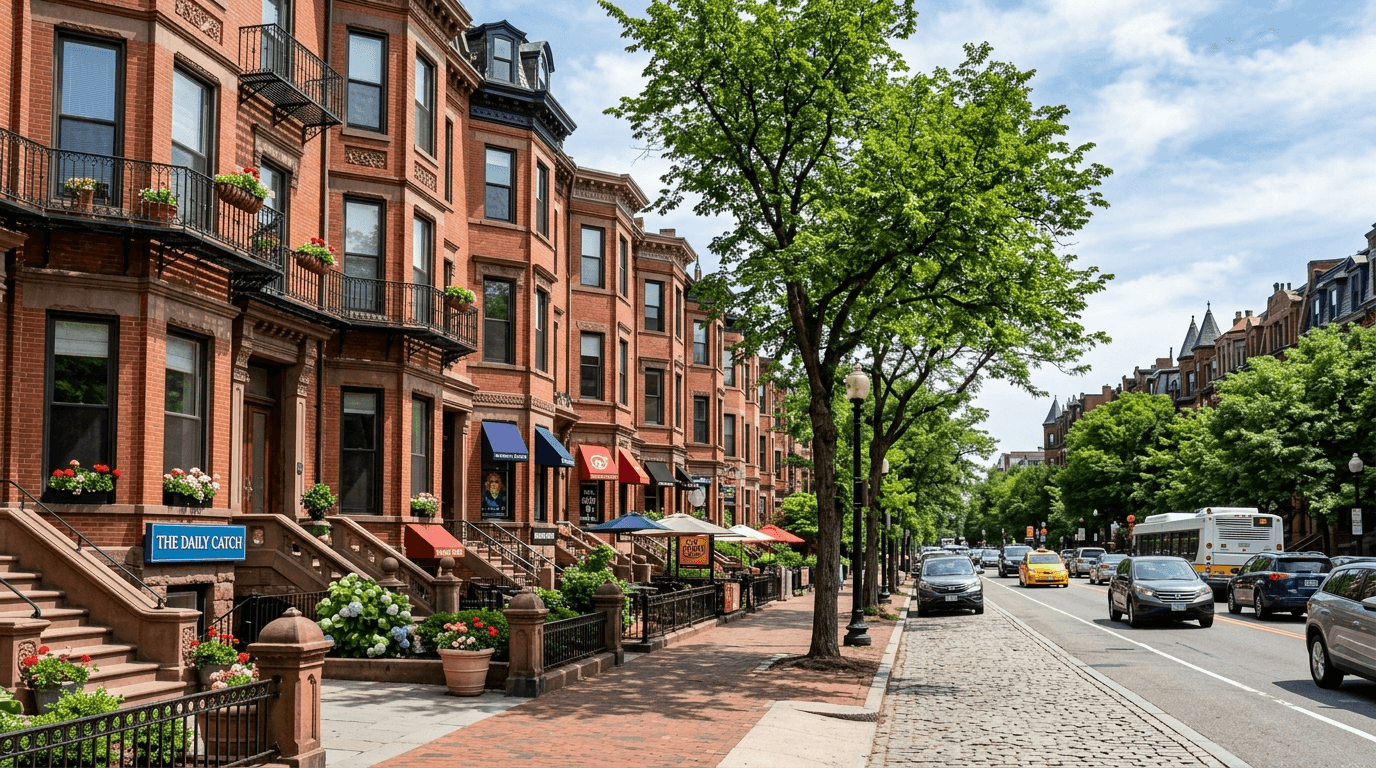
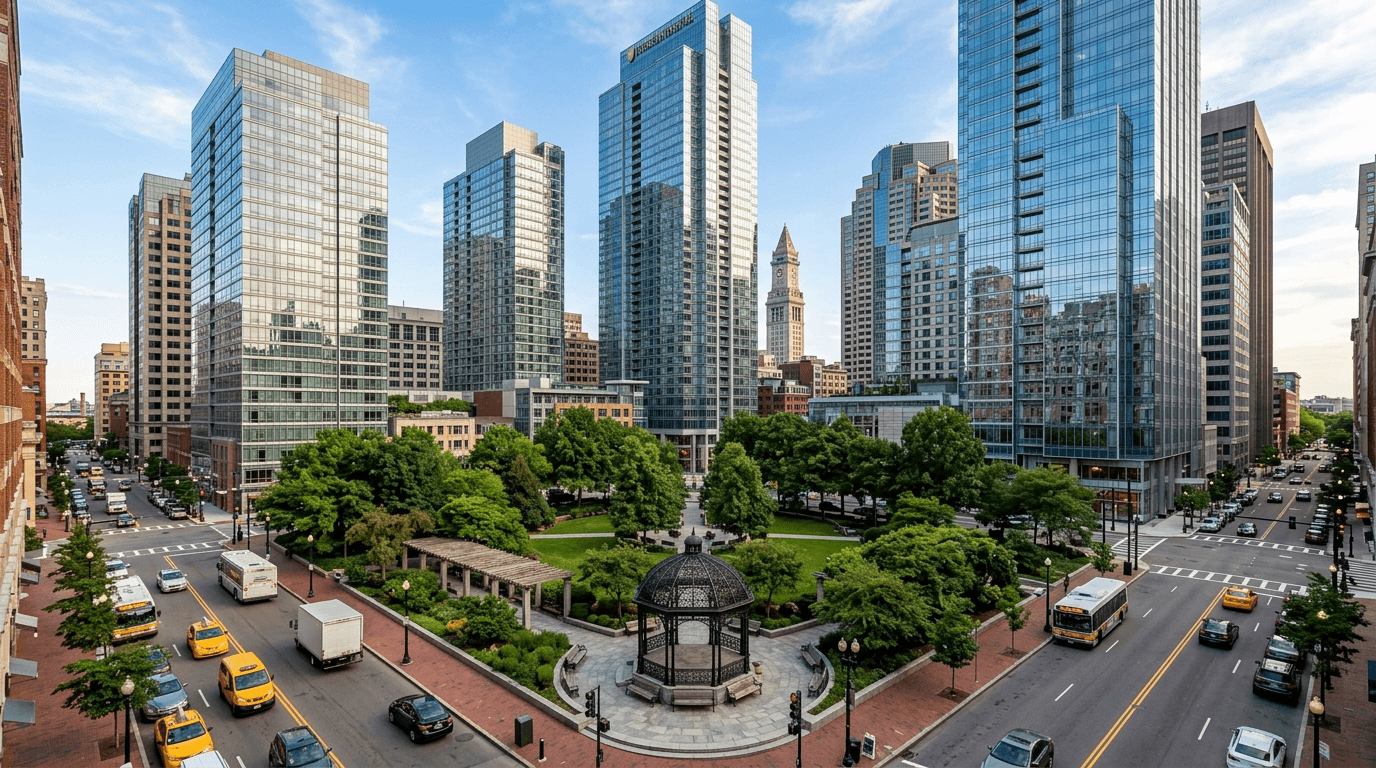
South Boston is overwhelmingly a condo market. The housing stock breaks into two categories: century-old triple-deckers and row houses converted into premium multi-unit condominiums, and newer mid-rise elevator buildings clustered along the Dorchester Avenue corridor and out toward the Waterfront.
Realtor.com's August 2026 South Boston market data shows a median listing price of $949,750, a median sold price of $790,000, and roughly $865 per square foot, with 267 active listings and a median of 51 days on market. That same source puts the sale-to-list ratio at 99%. Sellers are largely getting close to ask — but the days-on-market figure tells you buyers have time to think in a way they didn't two or three years ago.
South Boston Market Snapshot: August 2026
A quick read on South Boston’s current for-sale and rental market—useful for young professionals weighing buy-versus-rent decisions in a high-demand urban neighborhood.
What Are the Architectural Styles and Lot Sizes in South Boston?
Lots here are compact and urban: narrow frontages, minimal setbacks, very little private yard space. That geography drives nearly every design decision in the neighborhood.
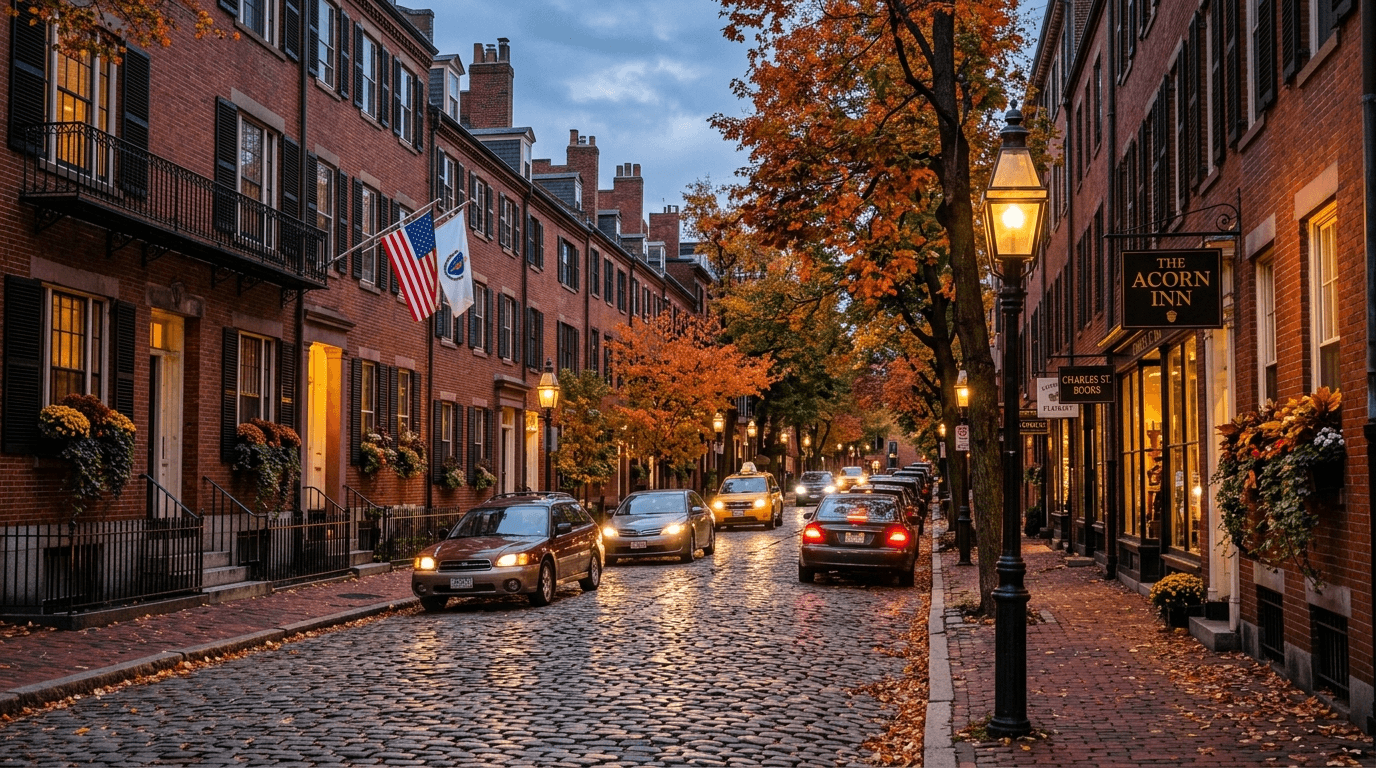
•Converted triple-deckers and row houses. These are the classic New England multi-families, many of them 100+ years old, gut-renovated into two-to-four unit condos. Expect exposed brick and high ceilings — and check the age of the mechanicals, roof, and windows. In a building that old, the condo docs matter as much as the finishes.
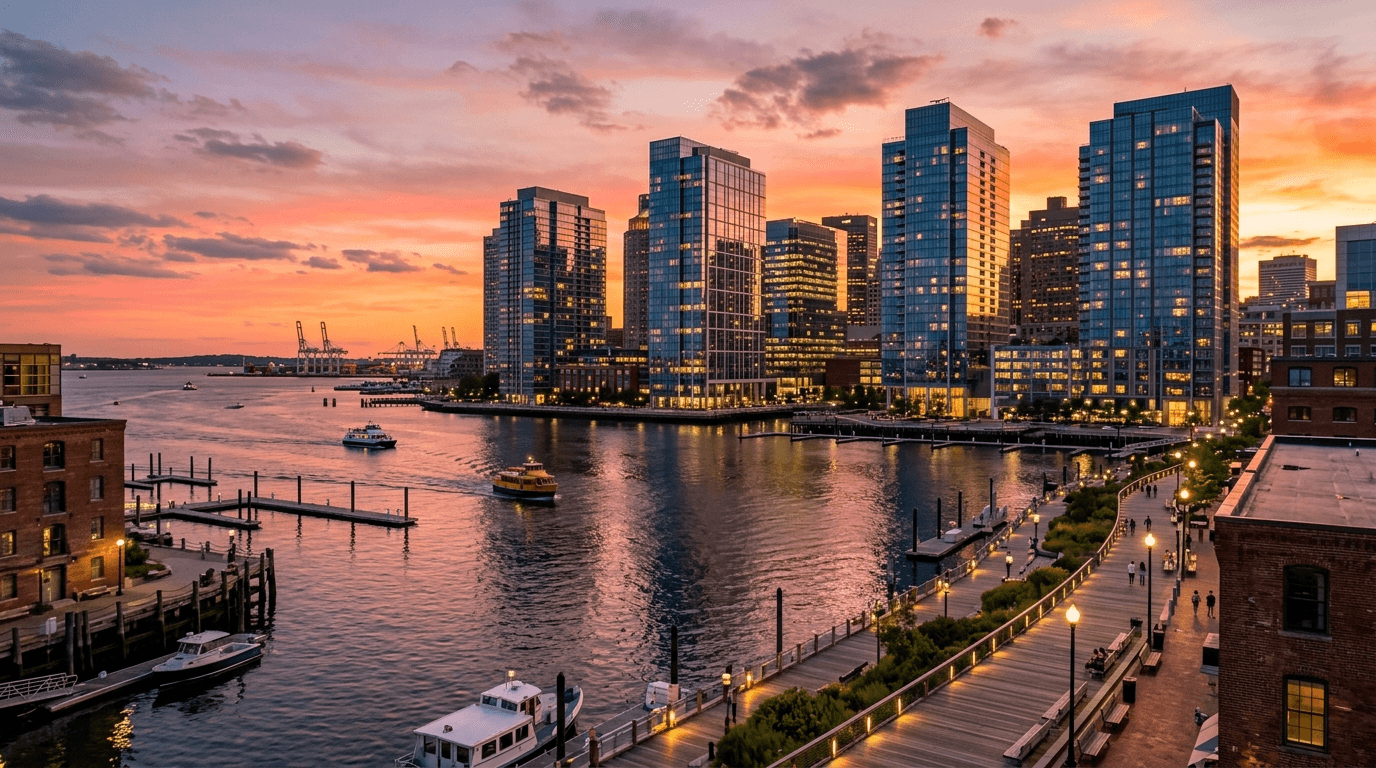
•New-construction mid-rises. Open floor plans, in-unit laundry, smart-home packages, elevator access, sometimes garage parking. These trade at a premium and move differently than the conversions.
•Outdoor space is the currency. A private roof deck, a real balcony, or a deeded patio can meaningfully separate two otherwise comparable units. In a neighborhood with almost no yards, this is where buyers stretch.
How Do Prices Vary Across South Boston's Sub-Neighborhoods?
This is where first-time buyers get surprised. "South Boston" isn't one price point — the sub-markets diverge substantially.
Neighborhood Price Comparison: South Boston Area
Median listing prices vary meaningfully across South Boston submarkets, with the Waterfront and City Point commanding the highest asking prices and Columbia Point offering a lower entry point.
Median listing prices vary meaningfully across South Boston submarkets, with the Waterfront and City Point commanding the highest asking prices and Columbia Point offering a lower entry point.
The South Boston Waterfront carries the highest median listing price at roughly $1,263,500, followed by City Point at $1,174,000. Telegraph Hill lands around $954,500, and Columbia Point offers the clearest entry point at $734,500. Worth noting: the chart's overall "South Boston" bar of $1,149,450 reflects a different geographic and date cut than the $949,750 snapshot median above, which is why the two figures don't match.
Practically speaking, if your budget is under $800K and you'd rather own than rent, Columbia Point and the Andrew Station side of the neighborhood deserve a serious look before you write off the market entirely.
What Do HOA Fees Typically Look Like in South Boston Condos?
Enormously variable — and the number on the listing sheet tells you very little on its own. Recent South Boston listings range from $87/month at a newer building on Boston Street, to $377 for a West 4th Street penthouse, $699 in a boutique elevator building on I Street, $1,100+ at 141 Dorchester Avenue, and $3,216 at a luxury waterfront address like 22 Liberty. For context, the Boston metro median HOA fee is roughly $386/month, with nearly 30% of owners paying over $500.
What actually deserves comparison:
1. What's covered — exterior maintenance, master insurance, water/sewer, heat, amenities, professional management.
2. What's excluded — interior repairs, upcoming capital projects, special assessments.
3. Whether the fee is plausible for the building's age, size, and condition. An $87 fee in a 100-year-old three-unit self-managed building isn't a bargain. It's often a signal that reserves are thin.
That last point carries more weight than it used to. Fannie Mae currently requires condo associations to allocate 10% of the budget to reserves, rising to 15% on January 4, 2027. Underfunded associations can create financing headaches — treat this as a due-diligence item, not a footnote.
How Competitive Is the South Boston Condo Market Right Now?
Supply has loosened. According to the Boston Area Real Estate Market Report, core downtown Boston condo absorption has climbed steadily and now sits near 5.90 months as of August 2026 — up from about 3.32 months in 2019.
Core Downtown Boston Condo Supply Trend
Condo absorption has climbed to 5.90 months as of August 2026, signaling more available supply than in several prior years while still remaining within an active urban market.
Condo absorption has climbed to 5.90 months as of August 2026, signaling more available supply than in several prior years while still remaining within an active urban market.
In practice: well-priced, well-renovated units with parking or outdoor space still move quickly, sometimes going under agreement within days of hitting the market. Overpriced or compromised listings sit. Buyers today have leverage they didn't have in 2021, and the trick is knowing which category a given listing falls into.
What Are the Key Landmarks and Social Hubs in South Boston?
Castle Island, the Harborwalk, the Broadway corridor, and the M Street/Carson Beach stretch are the four poles of daily life here.
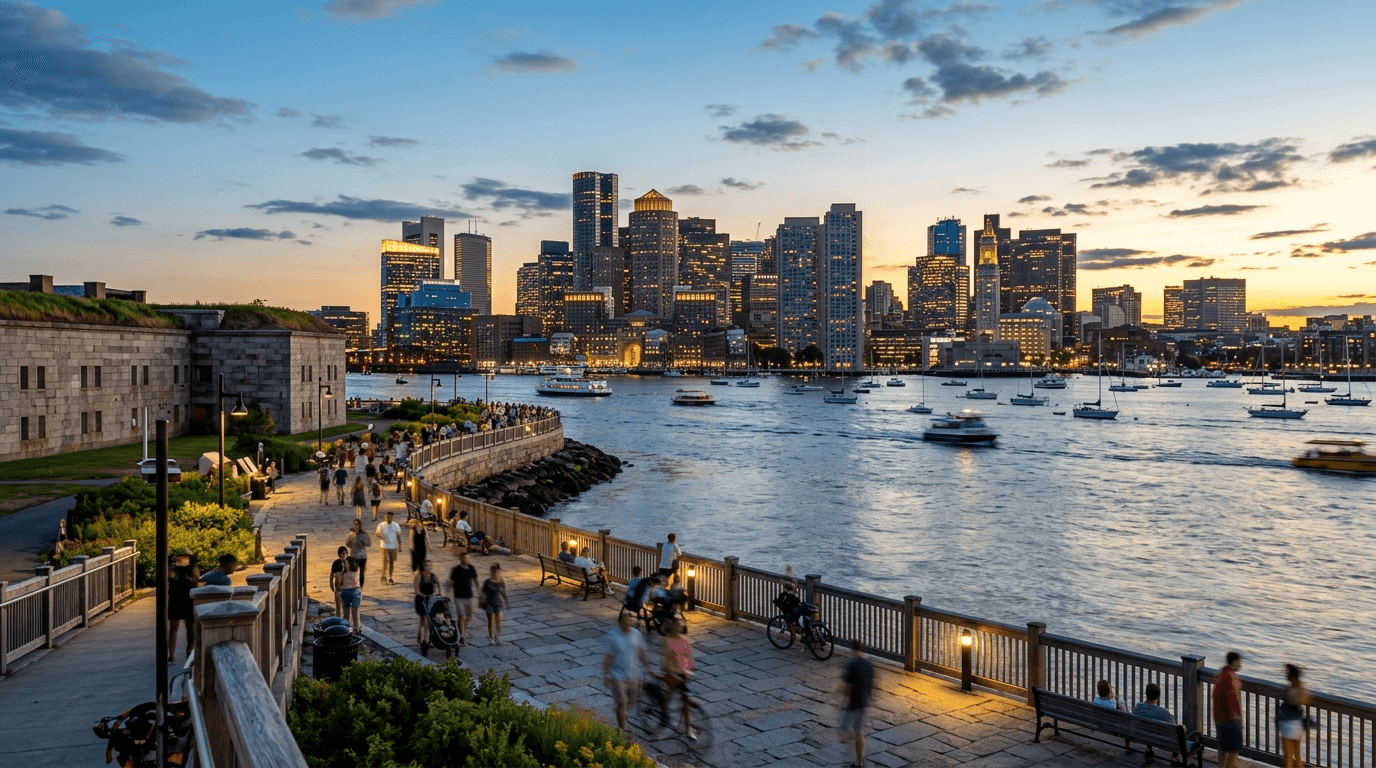
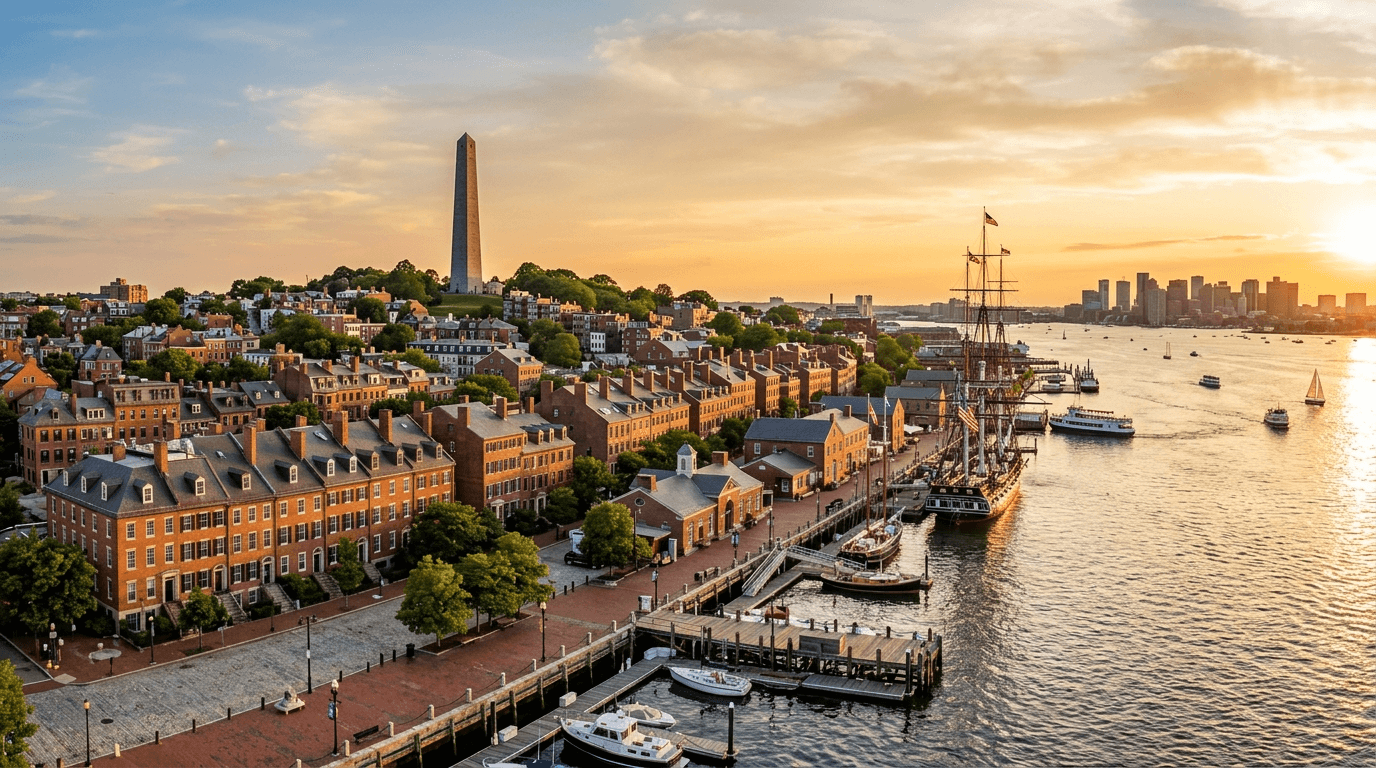
Castle Island and the Harborwalk. This is the neighborhood's living room. The loop around Pleasure Bay is the default run, walk, dog outing, and post-work decompression route. On a clear September evening, half of Southie is out here. It's also the amenity that most distinguishes South Boston from other young-professional strongholds in the city — very few Boston neighborhoods put you this close to open water.
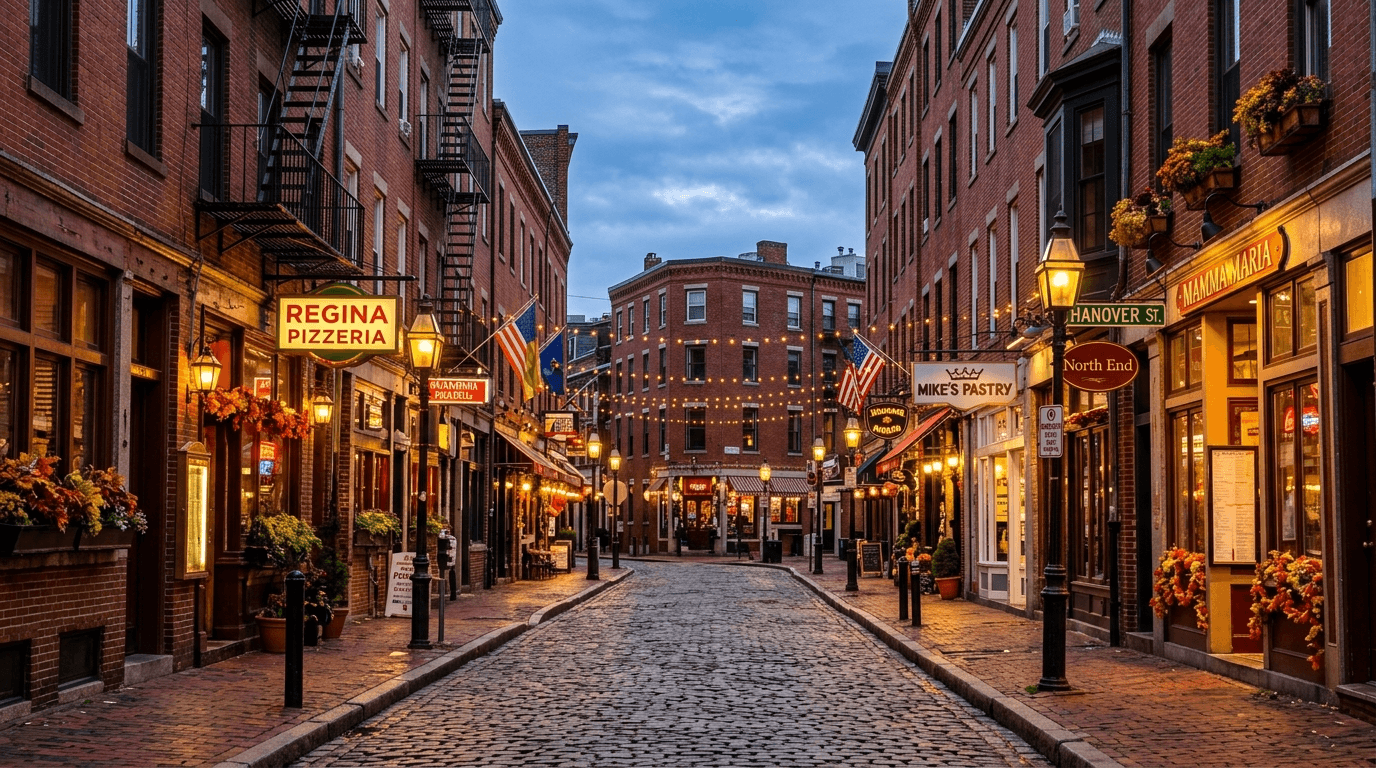
East and West Broadway. The commercial and nightlife spine. Coffee, gyms, boutiques, and a dense run of restaurants and bars, from oyster-and-taco spots to supper clubs to neighborhood pizza counters. Morning coffee culture is genuinely strong here; places like Blank Street are part of the pre-Red Line routine for a lot of residents.
Carson Beach and M Street Beach. From roughly June through September, these become the neighborhood's biggest social venues — volleyball, group workouts, impromptu gatherings. Keep expectations calibrated: Boston's average summer temperature runs around 73 degrees with daily highs near 80. Pleasant beach weather, not Florida.
Moakley Park and the smaller neighborhood greens handle the everyday stuff — recreational leagues, dog walks, pickup games.
What Should Buyers Know About Parking in South Boston?
Parking is the single most underestimated issue for newcomers. A 2023 Boston Transportation Department study found roughly 28,900 active resident parking permits against about 10,600 on-street spaces. Ten years earlier, the permit count was around 18,000.
South Boston Parking Crunch
The gap between active resident parking permits and on-street spaces highlights why parking remains a major lifestyle and property-value consideration in South Boston.
2023 BTD Study
Historical Data
The gap between active resident parking permits and on-street spaces highlights why parking remains a major lifestyle and property-value consideration in South Boston.
That gap explains why deeded parking adds tens of thousands of dollars to a South Boston condo's value, and why it's often the deciding factor between two otherwise identical units. Current overnight resident-only restrictions cover about four nights a week in most of the neighborhood (6 p.m. to 10 a.m., Monday through Thursday), and Councilor Ed Flynn has filed a resolution supporting a move to seven nights.
The honest advice: if you own a car and plan to keep it, treat deeded parking as a requirement rather than a nice-to-have. If you're car-free, or willing to become car-free, you've just unlocked a meaningfully larger set of listings at better prices.
What Development Is Planned in South Boston?
Several large Article 80 projects are working through the community process, including Washington Village, 776 Summer Street (the Edison project), Mary Ellen McCormack, On the Dot on Dorchester Ave, and Dorchester Bay City.
Article 80 Development Pipeline
Major development projects in and around South Boston could reshape neighborhood density, transportation pressure, retail activity, and long-term housing supply.
Washington VillageIn pipeline/community process
776 Summer Street (Edison Project)In pipeline/community process
Mary Ellen McCormackIn pipeline/community process
On the Dot (Dorchester Ave)In pipeline/community process
Together, these will reshape density, retail activity, parking pressure, and long-term housing supply, particularly along the western and southern edges of the neighborhood. For buyers, it cuts both ways. New retail and transit investment nearby can lift values; a construction site across the street for three years is a real quality-of-life consideration. Always ask what's entitled within two blocks of a unit you're serious about.
How Is the Commute From South Boston to Downtown Boston and Cambridge?
Excellent — South Boston is one of the best-connected residential neighborhoods in the city for anyone working downtown, in the Seaport, or in Kendall Square.
Which MBTA Stations Serve South Boston?
The Red Line is the backbone, and two stations serve the neighborhood:
•Broadway Station — the primary stop for most of Southie, one stop from South Station and directly connected to Downtown Crossing, Park Street, Kendall/MIT, and Harvard.
•Andrew Station — serving the western and southern portions of the neighborhood, with the same downtown and Cambridge connectivity plus southbound service toward Quincy.
For anyone working in Kendall Square or Cambridge, this is the argument for Southie over comparably priced waterfront options. You get a one-seat ride.
The Silver Line adds fast connections to the Seaport District, the Financial District, and Logan Airport — which matters enormously if you travel for work.
What Are the Best Bus Routes From South Boston?
Buses are heavily used here, and depending on where you live, often faster than walking to the Red Line:
•Route 7 — City Point ↔ South Station
•Route 9 — City Point ↔ Copley Square
•Route 11 — City Point ↔ Downtown
If you land in City Point, learn these three routes before you sign anything. They function as the neighborhood's second transit spine.
How Is Driving and Highway Access From South Boston?
Highway access is a genuine strength. I-93 is immediate, the Mass Pike (I-90) connects via the Ted Williams Tunnel, and Logan Airport is one of the quickest airport runs of any Boston neighborhood.
The caveat is city-wide congestion. Boston drivers lose roughly 79 hours a year to traffic, though congestion did drop about 10% between 2023 and 2024. Combine that with the parking math above and the read is straightforward: South Boston is a fantastic place to not need a car for your daily commute, and a manageable place to keep one only if you have a deeded space.
Is South Boston Worth It for Young Professionals?
Here's the straight assessment. You're paying a Boston premium — the metro's overall cost of living runs well above the national average, and housing more so. Median rent in the neighborhood sits around $3,629/month, which is precisely what makes the buy-versus-rent conversation worth having seriously rather than reflexively.
What you get in return is a rare combination: waterfront access, a dense and genuinely fun social scene, a one-seat Red Line ride to two of the region's biggest employment centers, and a housing stock that still offers entry points under $800K if you're flexible on sub-neighborhood.
Two variables will define your experience more than anything else: parking and condo association health. Get those right, and South Boston is about as good a fit as this city offers for a young professional buying their first place.
If you're weighing specific buildings or sub-neighborhoods, the differences are street-level — and that's exactly where the analysis needs to happen.
Is South Boston, Boston, MA a good place for young professionals and families?
South Boston is busy, energetic, and social, with strong neighborhood pride and a mix of multi-generational families and first-time condo buyers. It is not the quietest Boston neighborhood, but residential side streets near the water can feel noticeably calmer than Broadway. Daily life centers on Castle Island, the Harborwalk, Carson Beach, M Street Beach, Moakley Park, and the East and West Broadway corridors.
What are condos like in South Boston, Boston, MA?
South Boston is primarily a condo market, with many century-old triple-deckers and row houses converted into two-to-four-unit condominiums. Newer mid-rise elevator buildings are more common along the Dorchester Avenue corridor and toward the Waterfront. Outdoor space, deeded parking, updated mechanicals, roof condition, windows, and condo documents are especially important when comparing units.
How much do condos cost in South Boston, Boston, MA?
As of August 2026, South Boston had a median listing price of $949,750, a median sold price of $790,000, and an average of about $865 per square foot. Prices vary significantly by sub-neighborhood, with the South Boston Waterfront around $1,263,500, City Point around $1,174,000, Telegraph Hill around $954,500, and Columbia Point around $734,500. Buyers under $800,000 often have more options around Columbia Point and the Andrew Station side of the neighborhood.
Are HOA fees expensive in South Boston, Boston, MA condos?
HOA fees in South Boston vary widely by building type, age, amenities, and management structure. Recent examples range from under $100 per month in smaller buildings to more than $1,100 per month in some larger or amenity-driven buildings, with luxury waterfront buildings potentially much higher. Buyers should compare what the fee covers, what is excluded, reserve funding, and the risk of special assessments.
What should buyers know about schools in South Boston, Boston, MA?
School details and ratings are not specified for South Boston here, so buyers with children should verify school assignments directly for any specific address. In Boston, school considerations can be highly address-specific, making school research an important part of due diligence before purchasing a condo or townhome.
How is the commute from South Boston, Boston, MA to downtown or Cambridge?
South Boston is one of Boston’s better-connected residential neighborhoods for commuting to Downtown Boston, the Seaport, the Financial District, Kendall Square, and Cambridge. Broadway Station and Andrew Station provide Red Line access, including a one-seat ride to Kendall/MIT and Harvard. The Silver Line also connects residents to the Seaport District, the Financial District, and Logan Airport.
Do you need a car in South Boston, Boston, MA?
Many South Boston residents can commute without a car because of Red Line access, Silver Line service, and bus routes such as the 7, 9, and 11. Parking is a major constraint, with far more active resident parking permits than on-street spaces. Buyers who plan to keep a car should treat deeded parking as a priority because it can materially affect both daily convenience and condo value.
Is South Boston, Boston, MA affordable for first-time buyers?
South Boston is expensive by national standards, but it still has some entry points for flexible first-time buyers. The neighborhood’s median rent is around $3,629 per month, which makes the buy-versus-rent decision worth evaluating carefully. Affordability depends heavily on sub-neighborhood, parking needs, HOA fees, and the financial health of the condo association.