Living in the South End: The Essential Guide for Young Professionals
Explore South End’s busy-but-civilized vibe: 97 Walk Score, 93 Transit Score, SoWa Sundays, Tremont dining, Orange Line access, and condos.
Written ByAndrew Schwartz
PublishedSeptember 9, 2026
We're SmartHub Boston, a data-driven brokerage led by Andrew Schwartz serving buyers, sellers, investors and landlords across Boston, Cambridge, Newton and Brookline. Serving Boston, Newton, Brookline, Cambridge, Somerville, Watertown, Natick, Wellesley and Weston, MA.
# Living in the South End: The Ultimate Neighborhood Guide for Young Professionals
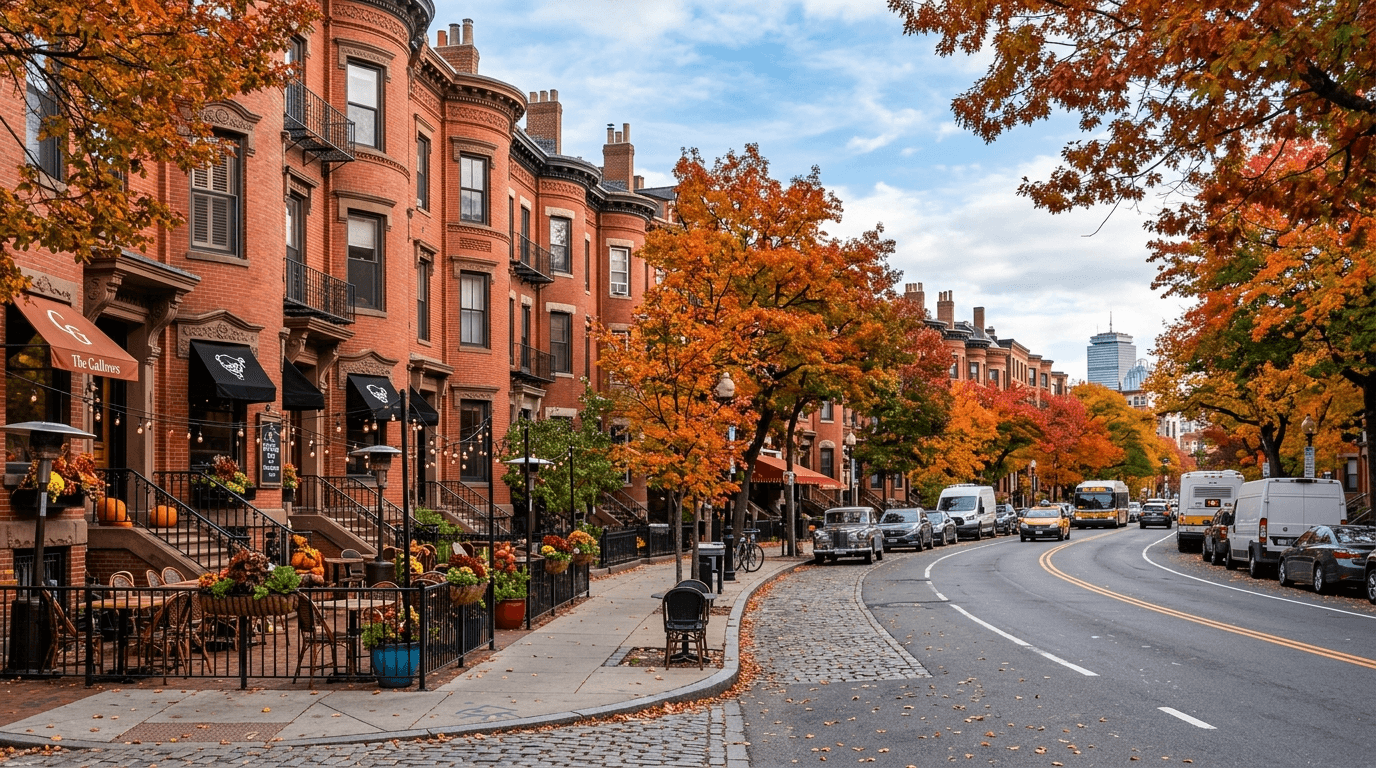
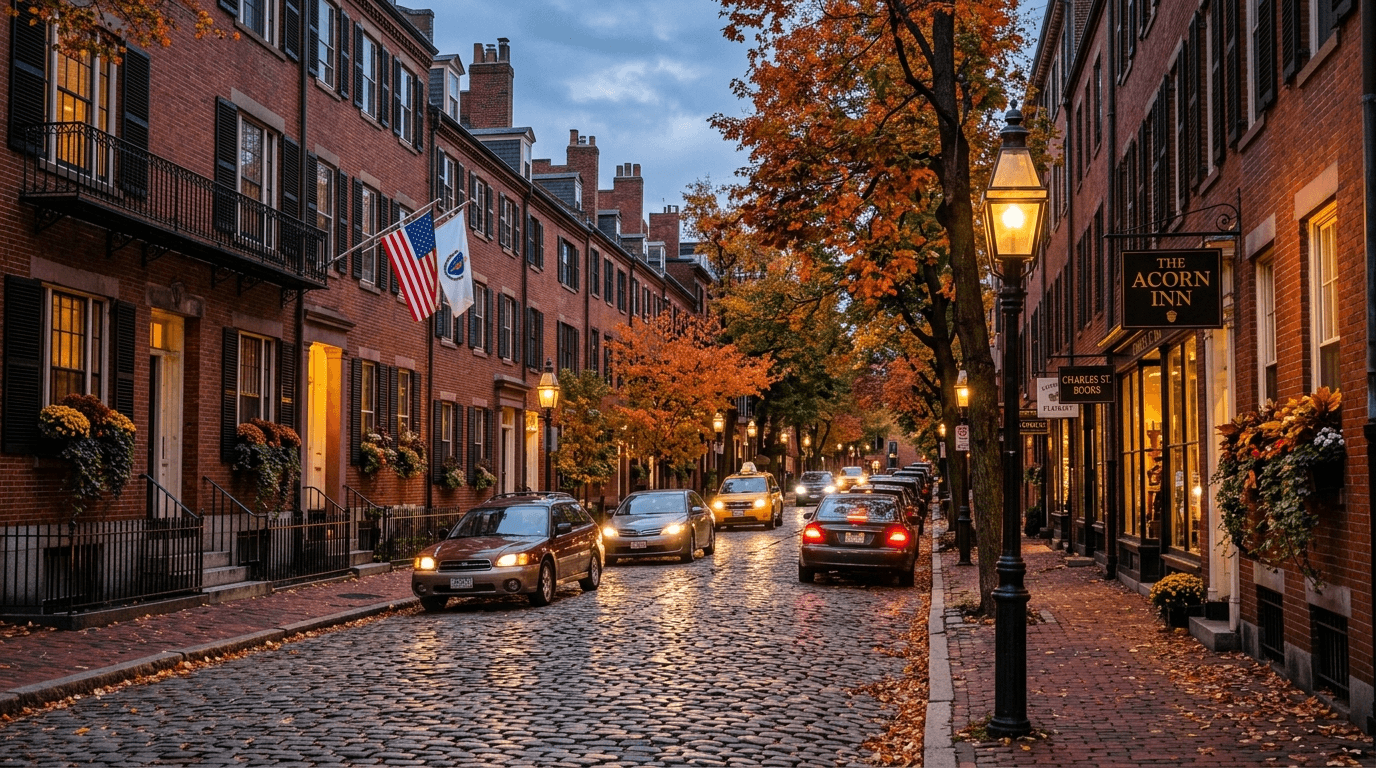
Boston's South End is where people move when they want their city to actually feel like a city. Brick sidewalks. Restaurant patios spilling onto Tremont Street. Gallery openings on a Friday night, and a train that gets you downtown before your coffee cools.
It's also one of the most nuanced real estate markets in Boston. A garden-level one-bedroom on Shawmut and a penthouse at 100 Shawmut can sit two blocks apart with a seven-figure gap between them.
This is the page I send to clients in their late twenties and thirties who are trying to work out whether the South End is their neighborhood.
What Is the Vibe Like in the South End — Quiet or Busy?
Short answer: busy, but civilized. The South End is high-energy and endlessly walkable. What it isn't is a nightlife district. Think packed brunch patios and 7 p.m. dinner reservations rather than 1 a.m. crowds.
The rhythm here differs from Seaport's glass-tower buzz or Southie's bar-forward social scene. On a Saturday morning, the sidewalks along Tremont and Washington fill with dog walkers, runners heading to the Southwest Corridor, and people queuing for pastries. By Saturday night, those same blocks are still full — but it's people at Coppa or Franklin Cafe , not a club line.
A few things define the day-to-day feel:
•You will not need a car for most of your life. The neighborhood's mobility scores back this up.
•The arts scene is real, not decorative. The SoWa Art + Design District anchors the eastern half of the neighborhood, and the Boston Center for the Arts runs the Calderwood Pavilion for theater.
•The demographic skews exactly toward you. This is a neighborhood of working professionals and creatives, not students.
South End Mobility Scores
The South End scores exceptionally well for car-light urban living, with high walk, transit, and bike scores that suit a bustling city lifestyle.
Walk Score97/100
Transit Score93/100
Bike Score92/100
The South End scores exceptionally well for car-light urban living, with high walk, transit, and bike scores that suit a bustling city lifestyle.
Those scores — a 97 Walk Score, 93 Transit Score, and 92 Bike Score — rank among the highest in Boston, and they're the single biggest lifestyle argument for the South End. When clients tell me they want to sell their car within a year of moving, this is the neighborhood I point to first.
One honest caveat: density comes with trade-offs. This is one of the denser corners of the city, so street parking is competitive, trash night is a real thing, and you will hear your neighbors. If your priority is silence, look further out. If your priority is walking to thirty different dinner options, you're home.
What Are Condos and Townhomes Like in the South End?
Short answer: the South End is a condo neighborhood built inside 19th-century Victorian brick bowfronts, supplemented by a growing set of modern luxury buildings. The overwhelming majority of the housing stock predates the Second World War, and small 2–4 unit buildings make up a large share of inventory.
What Kinds of Homes Will You Actually Tour in the South End?
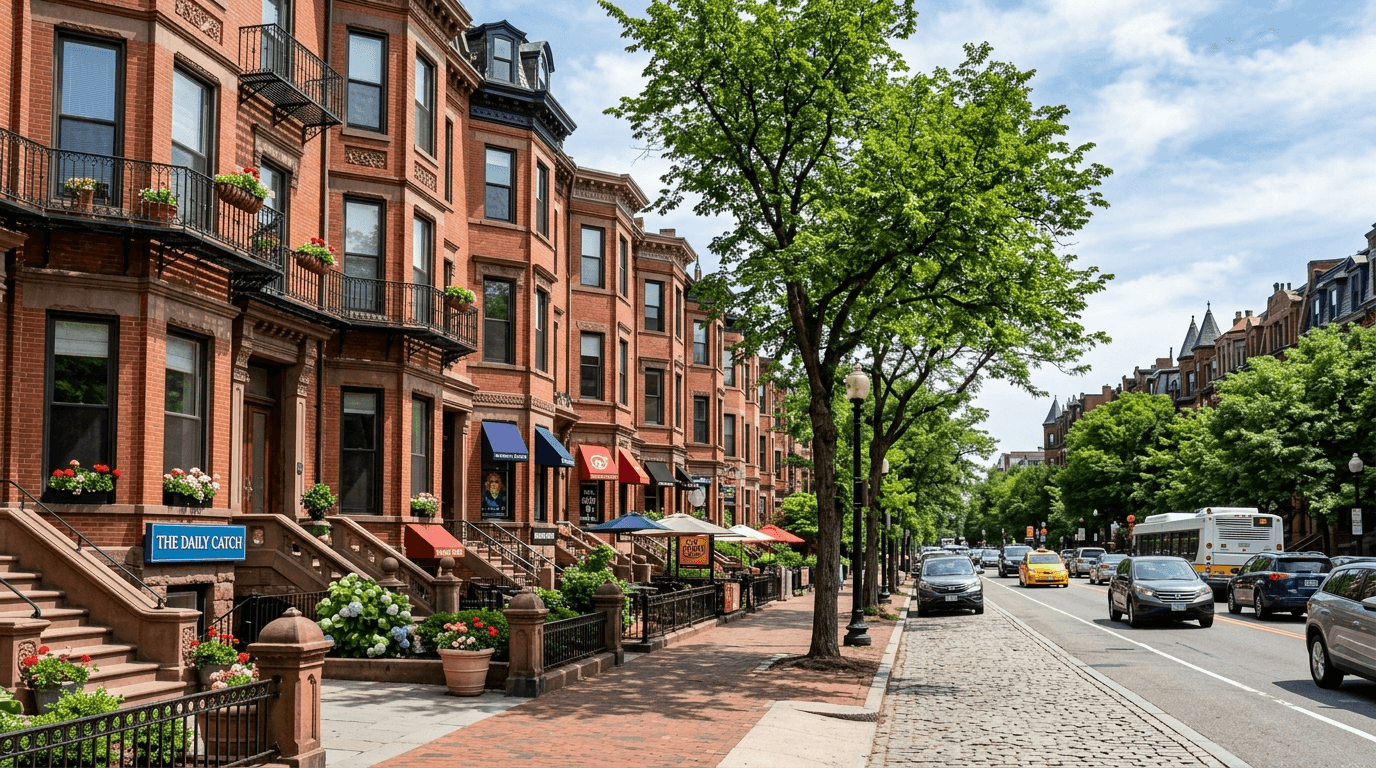
1. The Victorian bowfront conversion. This is the classic South End: a five-story brick rowhouse from the 1860s–1880s, subdivided into three to six condos. Expect high ceilings, original moldings, bay windows, decorative fireplaces, and — very often — no elevator and no parking. Lots are small and deep by design. These were built as single-family rowhouses on narrow urban parcels, so private outdoor space usually means a garden-level patio, a shared rear yard, or a roof deck.
2. The modern loft and new-construction condo. Buildings like 100 Shawmut, The Quinn, and The Lucas deliver what the brownstones can't: elevators, concierge, gyms, garage parking, and in-unit laundry that isn't wedged into a closet. You pay for it twice — in price per square foot and in monthly fees.
3. The full townhouse. Rare, expensive, and usually 3,000+ square feet across multiple floors. These trade at the top of the market and typically belong to buyers trading up, not first-timers.
What Does It Cost to Buy in the South End?
South End Market Snapshot — August 2026
A quick read on the South End’s current for-sale and rental market: pricing remains premium, inventory is active, and homes are trading close to asking price.
As of August 2026, the South End market reads as premium but not frantic. Pricing sits firmly in seven-figure territory for typical condo product, inventory is active rather than scarce, and homes are spending enough time on market that buyers have genuine choice. Sellers are getting close to asking, but not above it. That's a materially different negotiating environment than the bidding-war era, and it's the single most useful fact for a first-time buyer here.
Entry points do exist. Compact one-bedrooms and studios in the 650–850 square foot range are where most young professionals start, and they trade well below the neighborhood's headline pricing for larger units.
What Do HOA Fees Typically Look Like in South End Condos?
This is where the neighborhood surprises people — in a good way. Small brownstone associations with few amenities can carry remarkably low monthly fees, while mid-size and full-service buildings climb steeply from there. A full-service tower in Back Bay can carry dues several times what a small South End association charges.
The trade-off is straightforward:
•Low fee, small association: You own a share of a 4-unit building. Cheaper monthly, but a new roof means a special assessment, and there's no doorman, gym, or elevator.
•High fee, full-service building: Predictable costs, real amenities, easier resale to buyers who want turnkey — but a meaningful monthly carry on top of your mortgage.
When I'm underwriting a purchase with a buyer, I always model the low-fee brownstone with a reserve contribution baked in. A $200 fee on a building with $12,000 in reserves is not actually a $200 fee.
Should You Rent or Buy in the South End?
South End Housing Tenure Mix
The South End is renter-majority, a useful lifestyle signal for young professionals evaluating flexibility, turnover, and rental depth.
TOTAL
Owner Occupied
39.3%
Renter Occupied
60.7%
The South End is renter-majority, a useful lifestyle signal for young professionals evaluating flexibility, turnover, and rental depth.
At 60.7% renter-occupied versus 39.3% owner-occupied, the South End has genuine rental depth — and that matters two ways. If you're renting first (as most people should in a neighborhood this variable block to block), you'll have options. And if you buy, you're purchasing in a market with a deep tenant pool, which becomes a real asset if you later relocate and want to hold the unit.
Median rent in the neighborhood currently runs around $3,846/month.
Young Professional Neighborhood Cost Comparison
Compares two major affordability signals across Boston neighborhoods popular with young professionals: median one-bedroom rent and home value.
Median 1BR Rent
Home Value
Compares two major affordability signals across Boston neighborhoods popular with young professionals: median one-bedroom rent and home value.
Against peer neighborhoods, the South End sits at the higher end for both rent and home value — above Jamaica Plain, Allston, Brighton, and East Boston, and near South Boston and Back Bay territory. You're paying a premium for centrality, architecture, and walkability. Whether that's worth it is a lifestyle question, not a math question. But it's worth knowing you're not getting a discount here.
Where Do People Actually Gather in the South End?
Short answer: Tremont Street for dinner, SoWa for weekends, and Peters Park or the Southwest Corridor for everything outdoors. For a neighborhood this dense, the South End has an unusual amount of park and green space.
Where Is the South End's Restaurant Row?
This is the spine of the neighborhood's social life. The stretch of Tremont between Berkeley and Massachusetts Ave — plus the parallel run along Washington Street — is one of the densest concentrations of independent, chef-driven restaurants in New England. It's not a chain corridor. It's neighborhood bistros, tapas rooms, and neo-tavernas where the bartender learns your order.
Practically speaking, this is what makes the South End work for young professionals: you can host a date, a client dinner, and a Sunday brunch with visiting parents within a four-block radius, and none of them will feel the same.
What Happens at SoWa on a South End Weekend?
The SoWa Open Market runs seasonally on Sundays through the Harrison Ave corridor, and it's genuinely the neighborhood's town square — farmers, makers, vintage vendors, food trucks, and a beer garden. Combine that with the gallery buildings and the SoWa Power Station, and you have the reason a lot of my clients decide on the South End after a single Sunday visit. September and October are peak SoWa season, so if you're touring this fall, plan a Sunday.
How Much Green Space Does the South End Have?
Peters Park is the workhorse — ball fields, basketball and tennis courts, and one of the best-used dog parks in the city at Peters Park Dog Park . The Southwest Corridor Park runs the length of the neighborhood as a linear greenway and serves as the default route for runners and bike commuters. Blackstone and Franklin Squares give the western end its Victorian park geometry, and the Berkeley Community Gardens keep a waitlist for a reason.
Add in the fitness density — boutique studios and gyms are thick on the ground here — and you can see why the neighborhood grades exceptionally well for health and fitness.
How Is the Commute from the South End to Downtown Boston and Cambridge?
Short answer: very good — the South End's typical commute runs shorter than Boston's citywide average, and a substantial share of residents walk to work entirely.
That last point deserves underlining. Walking to the office is a realistic daily option here in a way it isn't in most of the city, and bus, bike, and rail cover nearly everything else.
What Are the Rail Options from the South End?
•Orange Line: Back Bay and Massachusetts Avenue stations both serve the South End, with Tufts Medical Center covering the eastern edge. The Orange Line gets you to Downtown Crossing, State Street, and the Financial District quickly, and connects to the Red Line at Downtown Crossing for Cambridge and Kendall Square.
•Back Bay Station: Beyond the Orange Line, this is a commuter rail hub (Framingham/Worcester, Providence, Needham lines) and an Amtrak stop. If you have a hybrid job in the western suburbs or take the train to New York, that's a genuine differentiator versus most Boston neighborhoods.
•Silver Line (SL4/SL5): Runs directly up Washington Street through the heart of the neighborhood to Downtown Crossing and South Station. If you live east of Tremont, this is often faster than walking to an Orange Line stop.
What Is Driving and Parking Like in the South End?
Highway access is excellent. I-90 (the Mass Pike) and I-93 are both minutes away, which makes the South End one of the easier central neighborhoods for weekend trips out of the city or a reverse commute to Route 128.
Parking is the honest weak point. Resident on-street permits are free but competitive. Off-street monthly rentals are readily available for a monthly fee, and a deeded parking space attached to a condo carries a significant premium on the purchase price. My advice to most buyers: unless you drive daily, buy the better unit without parking and rent a spot. The math almost always favors it in a neighborhood with a 93 Transit Score.
What Infrastructure Projects Are Coming to the South End?
Boston — Improvements on Boylston Street
A nearby Complete Streets project aimed at improving roadway design, signals, and bicycle and pedestrian accommodations—relevant for residents who rely on walking, transit, and biking.
Project ID606453
ProgramComplete Streets
Implementation Year2025
ScopeImprove the roadway cross section, signals, and bicycle and pedestrian accommodations
The nearby Boylston Street Complete Streets project (Project ID 606453, implementation year 2025) is upgrading the roadway cross section, signals, and bicycle and pedestrian accommodations. In a neighborhood where a meaningful share of residents commute on foot or by bike, incremental street-safety work like this matters more than it does elsewhere.
Is the South End Right for You?
Here's how I'd frame the decision after walking clients through dozens of these buildings.
The South End is a strong fit if you:
•Want maximum walkability and are willing to pay for it
•Care about architecture and are comfortable with pre-war building quirks
•Value a dining and arts scene over a nightlife scene
•Commute to the Financial District, Back Bay, the Longwood/BMC medical cluster, or Cambridge via an Orange-to-Red transfer
•Are buying a condo and want a range from a low-fee brownstone share to a full-amenity tower
Look elsewhere first if you:
•Need dedicated parking without paying a steep premium for it
•Want new construction at a lower price point (East Boston and parts of Dorchester compete better here)
•Prioritize square footage over location
With active inventory, homes sitting on market long enough to negotiate, and sellers closing just under asking as of August 2026, this is a market where a prepared buyer can actually negotiate — a meaningfully different posture than the South End of a few years ago.
If you're touring this fall, come on a Sunday. Walk Tremont from Berkeley to Mass Ave, stop into the SoWa market, then go back and check the same block at 8 p.m. on a weeknight. The South End reveals itself by time of day, and that's the only way to know whether its particular kind of busy is the kind you want.
Is the South End in Boston, MA a good place for families?
The South End works best for households that want dense, walkable city living with access to parks, restaurants, transit, and arts venues. Peters Park, the Southwest Corridor Park, Blackstone and Franklin Squares, and the Berkeley Community Gardens give the neighborhood more green space than many similarly dense urban areas.
The trade-offs are typical of a central Boston neighborhood: street parking is competitive, buildings can be close together, and residents may hear neighbors. Families prioritizing quiet, large square footage, or easy dedicated parking may find better fits farther out.
What types of condos and townhomes are common in the South End, Boston, MA?
The South End is primarily a condo neighborhood built around 19th-century Victorian brick bowfront rowhouses, many of which have been converted into three to six condos. These homes often include high ceilings, bay windows, original moldings, decorative fireplaces, and limited elevator or parking availability.
The neighborhood also has modern luxury condo buildings such as 100 Shawmut, The Quinn, and The Lucas, which offer amenities like elevators, concierge service, gyms, garage parking, and in-unit laundry. Full townhouses are rare, expensive, and often exceed 3,000 square feet.
How expensive is it to buy a condo in the South End, Boston, MA?
As of August 2026, the South End is a premium Boston condo market where typical condo pricing sits firmly in seven-figure territory. Compact studios and one-bedrooms in the 650–850 square foot range are the most common entry points for young professionals and trade below the neighborhood’s larger-unit headline pricing.
The market is active rather than scarce, with homes spending enough time on market for buyers to have real choice. Sellers are generally closing close to asking, but not above it.
How much are HOA fees for South End condos in Boston, MA?
HOA fees vary widely by building type in the South End. Small brownstone condo associations with few amenities can have relatively low monthly fees, while mid-size and full-service buildings charge significantly more because they include amenities such as elevators, gyms, concierge service, and garage parking.
A low monthly fee is not always cheaper long term if the building has limited reserves. In small associations, major repairs such as a roof replacement can lead to special assessments.
Is it better to rent or buy in the South End, Boston, MA?
The South End has a deep rental market, with about 60.7% renter-occupied housing and 39.3% owner-occupied housing. Median rent is around $3,846 per month, placing the neighborhood toward the higher end among Boston peer neighborhoods.
Renting first can make sense because the South End varies block by block. Buying can also be attractive for residents who want long-term ownership in a neighborhood with strong tenant demand if they later relocate and keep the unit.
How is the commute from the South End in Boston, MA to downtown and Cambridge?
The South End has excellent commuting access, supported by a 97 Walk Score, 93 Transit Score, and 92 Bike Score. Walking to work is realistic for many residents, and the typical commute is shorter than Boston’s citywide average.
Transit options include the Orange Line at Back Bay, Massachusetts Avenue, and Tufts Medical Center, plus Silver Line SL4 and SL5 service along Washington Street to Downtown Crossing and South Station. Back Bay Station also provides commuter rail and Amtrak service, while I-90 and I-93 are minutes away for drivers.
Is parking difficult in the South End, Boston, MA?
Parking is one of the South End’s main drawbacks. Resident on-street permits are free but competitive, and deeded parking spaces attached to condos carry a significant purchase-price premium.
Off-street monthly rentals are available for a fee. For residents who do not drive daily, renting a parking spot can be more practical than paying a premium for a condo with deeded parking.
What should families know about schools in the South End, Boston, MA?
Specific school ratings and assigned-school details are not a defining data point for the South End. Families considering the neighborhood should verify current Boston Public Schools assignments and any private-school options before choosing a home.
For family lifestyle, the South End’s strongest documented advantages are walkability, transit access, parks, and proximity to daily amenities rather than school-specific performance data.