Living in the North End: An Essential Guide for Young Professionals
Explore North End’s European-village vibe: 24-min commutes, $1M median sold condos, $2,678 1-bed rents, and walkable access to downtown Boston.
Written ByAndrew Schwartz
PublishedSeptember 9, 2026
We're SmartHub Boston, a data-driven brokerage led by Andrew Schwartz serving buyers, sellers, investors and landlords across Boston, Cambridge, Newton and Brookline. Serving Boston, Newton, Brookline, Cambridge, Somerville, Watertown, Natick, Wellesley and Weston, MA.
# Living in the North End: A Professional's Guide to Boston's Most Vibrant Enclave
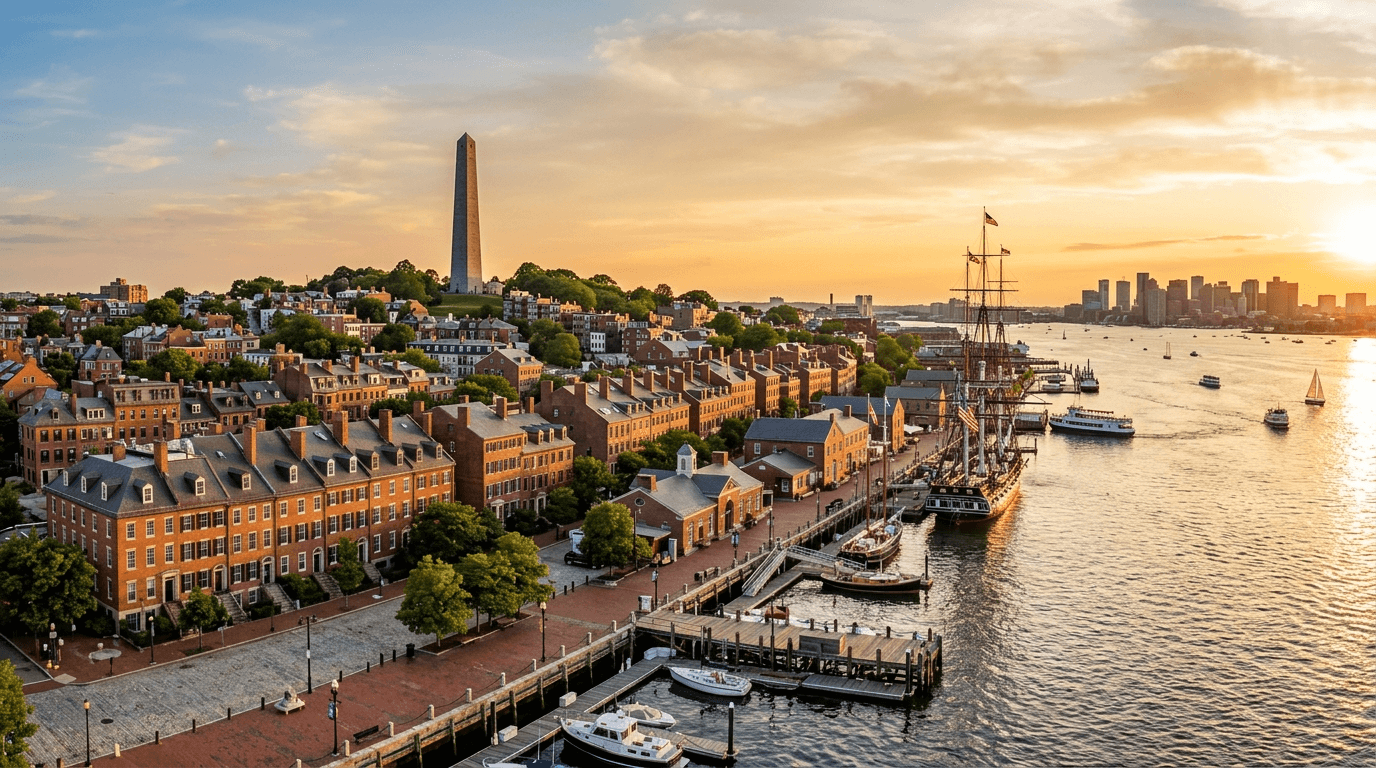
Boston's oldest neighborhood has become, improbably, one of its most sought-after addresses for people in their late twenties and thirties. Consider the ingredients: roughly a third of a square mile, a 400-year-old street grid, one of the densest residential populations in the city, and a concentration of restaurants that rivals just about anywhere in the country. Nobody drifts into the North End by accident. People choose it, and they choose it on purpose.
What follows is a look at what it actually feels like to live here — the housing stock, where residents spend their time, and how the commute really works once you're on the ground.
What Is the Vibe Like in Boston's North End?
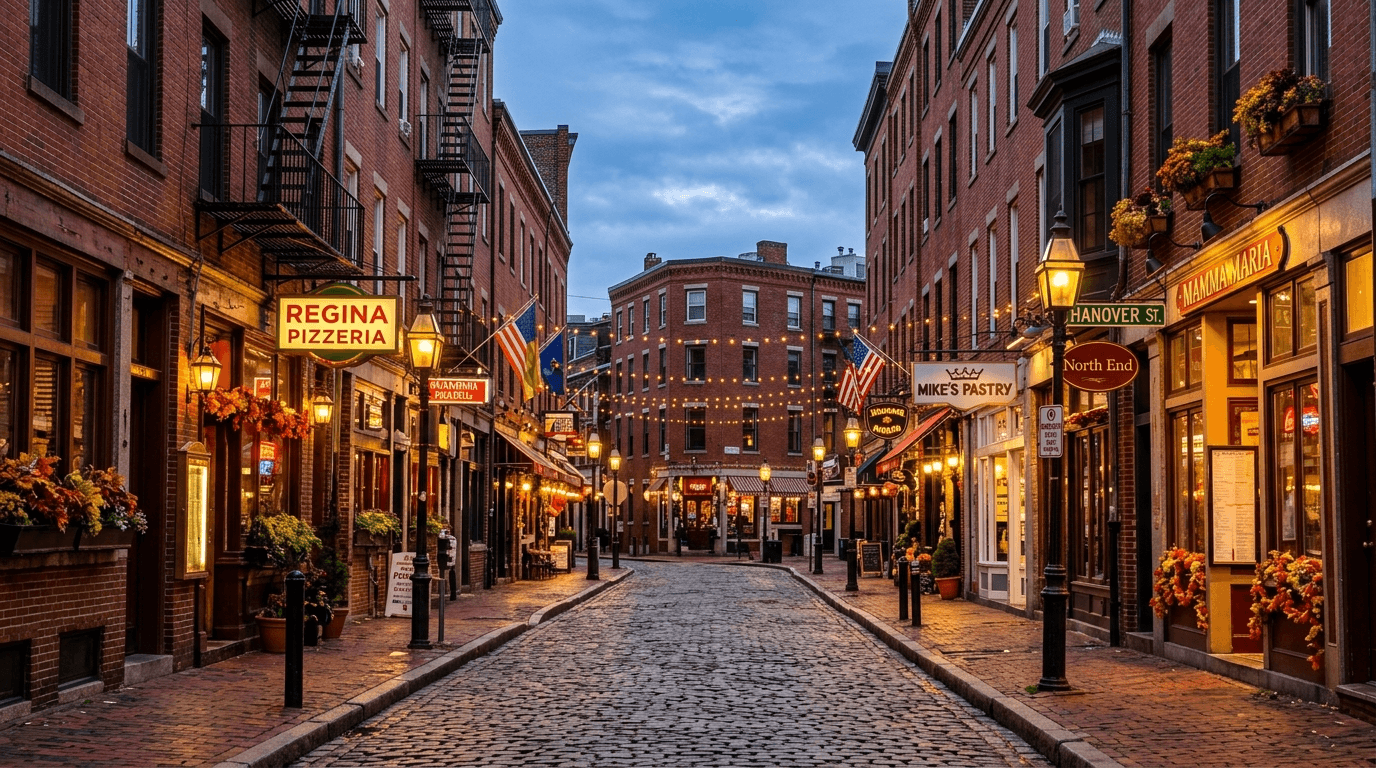
The North End is a high-energy, densely packed, always-on neighborhood — closer in spirit to a European village than a typical American city district. It is not quiet. If silence is what you're after, this is the wrong zip code. But if you want to step outside at 9 p.m. on a Tuesday and find espresso, an open bar seat, and three people you recognize, it's exactly right.
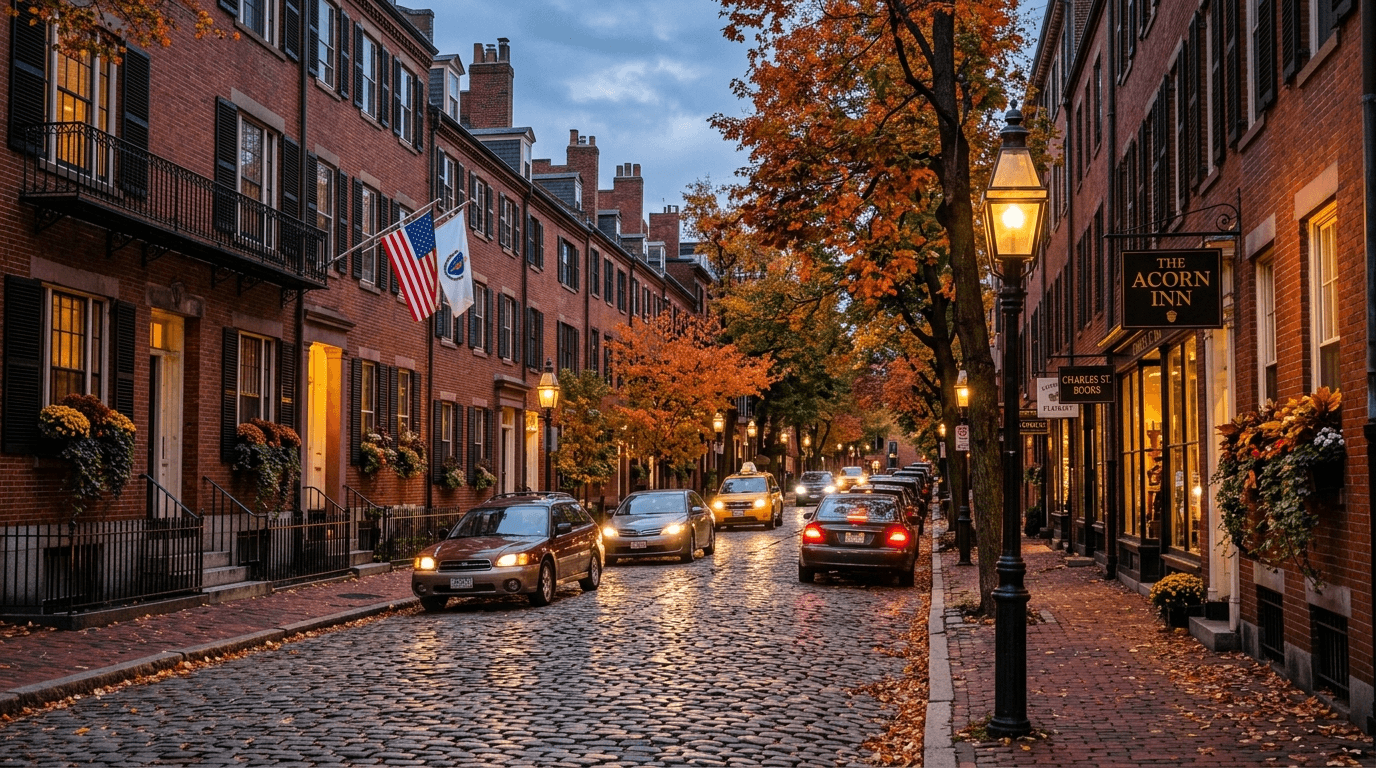
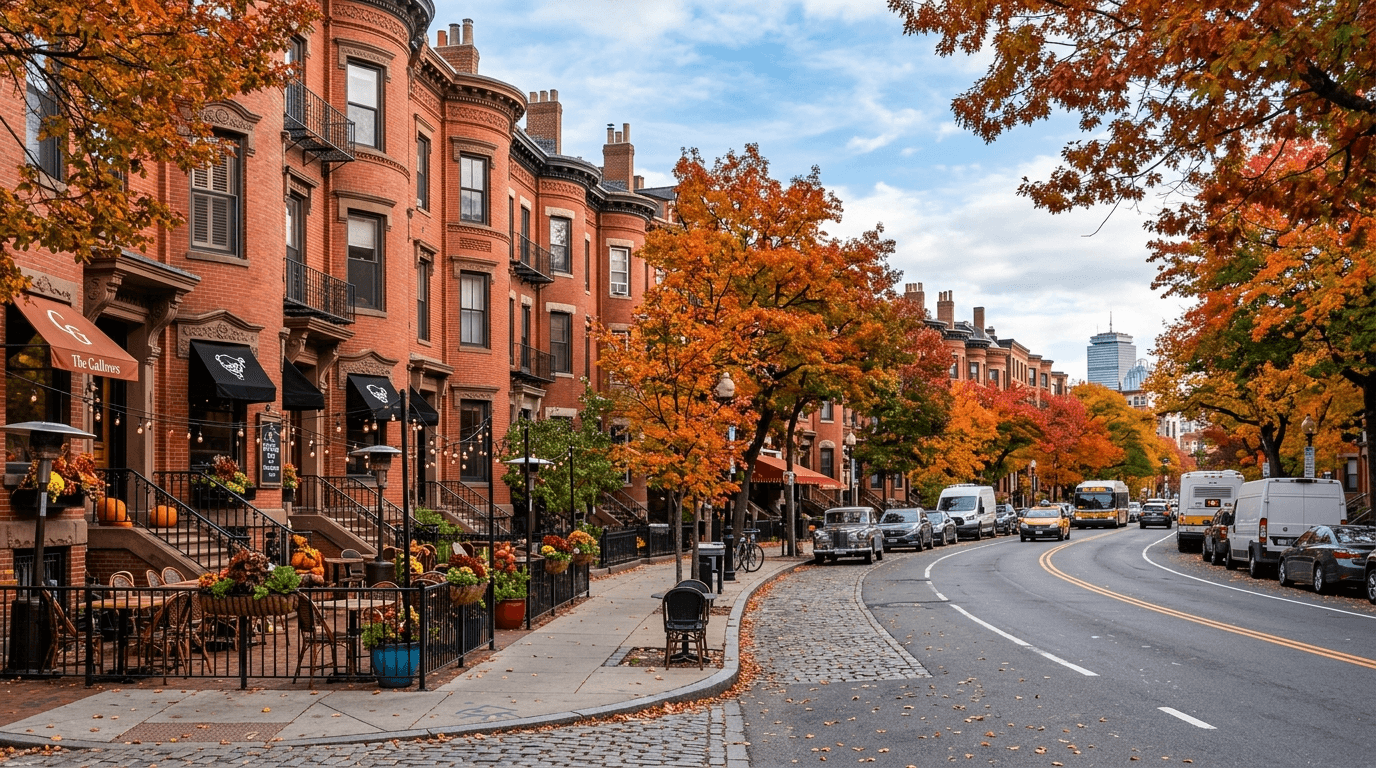
These streets were laid out before cars existed, and you can feel it. Salem, Hanover, Prince, and North Streets are narrow, brick-lined, and relentlessly walkable. Most residents I work with go weeks without touching a car. Groceries, dry cleaning, gyms, the waterfront, downtown offices — all inside a fifteen-minute walk.
A few honest notes on the energy level:
•Weekends and summer bring tourists. Hanover Street on a Saturday in July is genuinely crowded. Locals learn the side streets and the off-hours fast.
•Noise is a real variable. A unit facing Hanover behaves very differently at 11 p.m. than one on a quiet interior block near Copp's Hill. When I show units here, I ask clients to visit twice — once midday, once late evening.
•The Fourth of July cannon and the summer feast schedule are neighborhood institutions. Charming to most. Loud to some.
What tends to surprise newcomers is the community texture running underneath all that tourism. Residents actually know their barista and their butcher. Morning coffee at Caffe Vittoria or a quick stop at Bova's Bakery — which never closes — functions as the neighborhood's informal town square. That's the part that keeps young professionals here longer than they planned.
What Are Condos and Townhomes Like in the North End?
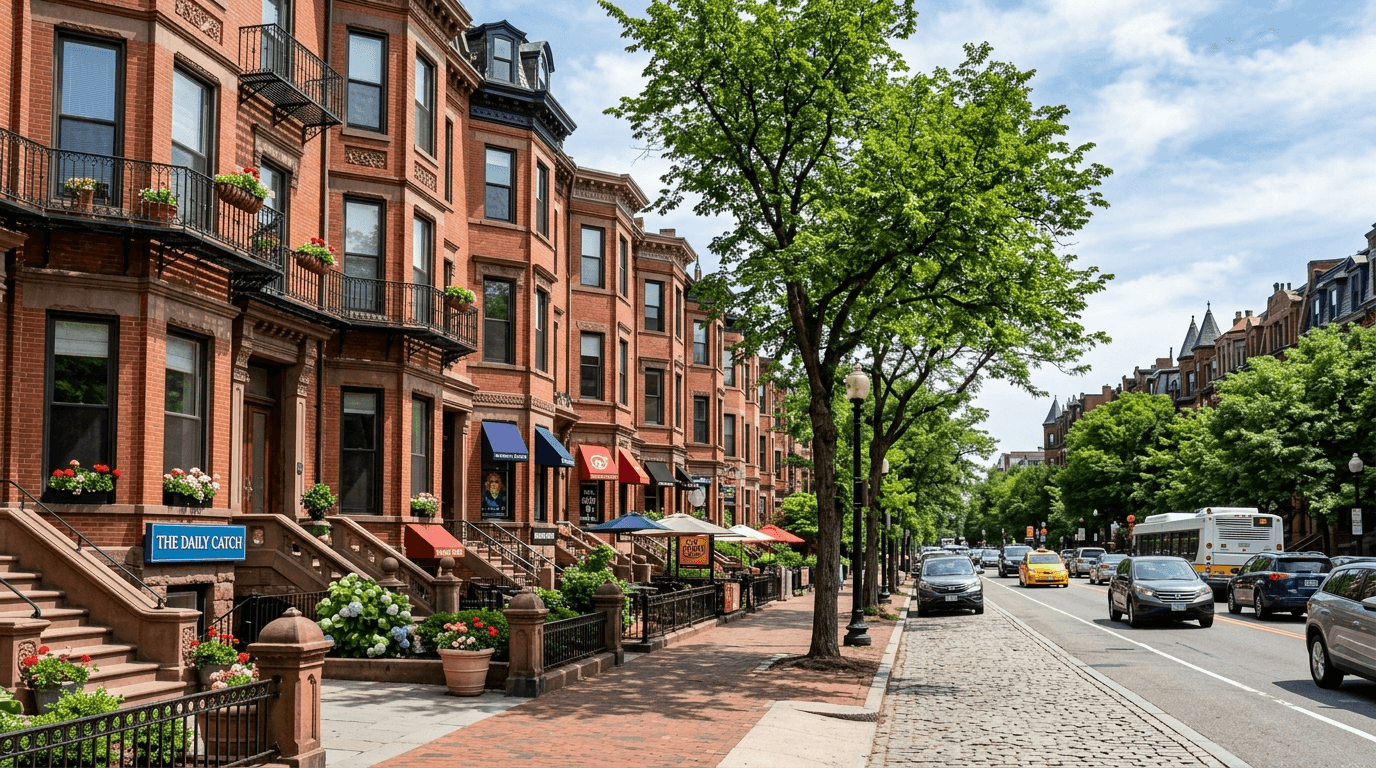
The North End is almost entirely a condo market — primarily one- and two-bedroom units carved out of 19th-century brick rowhouses and low-rise walk-ups, with a smaller tier of multi-level townhomes and new-construction penthouses. Single-family homes and yards effectively do not exist here.
Here's where the market stands heading into fall 2026:
North End Market Snapshot: August 2026
Headline housing and rental numbers for the North End, useful for young professionals weighing buy-versus-rent decisions in a compact, high-demand urban neighborhood.
Those numbers deserve some interpretation. Realtor.com data for August 2026 puts the median sold price at around $1,000,000 while the median list price sits closer to $1,173,000. That spread tells you sellers are still asking ambitiously, and buyers have room to negotiate on the right property. At roughly $1,093 per square foot in the same data set, you're paying a premium for location, not for square footage. And with a median of about 65 days on market, this is nothing like the frenzied bidding environment of a few years ago. Well-priced units still move quickly. Overpriced ones sit.
What Architectural Styles Will You Find in the North End?
•Brick-and-beam rowhouse conversions. The signature North End product. Exposed brick, original wood beams, and — in the better renovations — a genuinely modern kitchen and bath dropped into a 150-year-old shell. Footprints run compact: many one-bedrooms are small by suburban standards, and studios can go considerably smaller.
•Multi-level townhomes with roof rights. The most coveted product in the neighborhood, full stop. A private roof deck with skyline or harbor views transforms a small unit and commands a real premium. If outdoor space matters to you, focus here.
•Newer boutique buildings and waterfront conversions along the Fulton/Commercial Street edge. These bring elevators, in-unit laundry, and occasionally deeded parking — all rare commodities in this neighborhood.
What should buyers watch for in North End condos?
This is where a local read matters most. Buildings are old, associations are often small — four to eight units is common — and the details determine whether a deal is smart or expensive.
•Association reserves. Lenders scrutinize how much an association has set aside, and small North End associations with thin reserves can create real financing headaches. Check this before you fall in love with a unit.
•HOA fees. Fees vary widely depending on whether the building has an elevator and how the association handles the inevitable masonry and roof work. Ask for the budget and recent meeting minutes, not just the monthly number.
•Parking. Resident permit parking exists but is genuinely competitive, and deeded garage spots trade at prices that shock people from other markets. Most residents here simply don't own a car — and that's the honest math on affordability.
•Building age. Older masonry, older systems, and limited private outdoor space are the tradeoffs for the charm. A thorough inspection is non-negotiable.
Should you rent or buy in the North End?
Renting is the natural entry point for a lot of professionals here, and the North End looks notably reasonable next to the neighborhoods it competes with:
Median 1BR Rent Across Young-Professional Boston Neighborhoods
A rent-focused comparison showing where the North End sits among other popular Boston neighborhoods for young professionals. The North End is below Seaport, South End, Back Bay, and South Boston, but above Allston and Brighton.
A rent-focused comparison showing where the North End sits among other popular Boston neighborhoods for young professionals. The North End is below Seaport, South End, Back Bay, and South Boston, but above Allston and Brighton.
You get a comparable — arguably better — walkability profile than Seaport or Back Bay at a materially lower rent. Median one-bedroom rent in the North End runs about $2,678, which lands below Seaport, the South End, Back Bay, South Boston, Fenway-Kenmore, and Charlestown. Across all unit sizes, realtor.com puts the neighborhood's median rent at roughly $3,500 a month, a figure that reflects the larger two- and three-bedroom units in the mix. One tactical note for renters this fall: landlord-paid broker fees have become far more common in Boston than they were a year ago. Ask. It's negotiable now in a way it wasn't recently.
Where Do North End Residents Actually Hang Out?
Social life here organizes around three axes: the Hanover/Salem restaurant corridor, the Greenway and waterfront green space to the south and east, and a handful of small parks tucked into the interior blocks.
Hanover and Salem Streets are the commercial spine. Hanover carries the marquee restaurants and the pastry shops that draw lines around the block; Salem runs quieter and feels more local. Residents tend to develop a rotation — a weeknight red-sauce spot, a cocktail bar, a coffee place. Caffè dello Sport fills up for European soccer matches at hours no reasonable person should be awake.
The Rose Kennedy Greenway has served as the neighborhood's front lawn since the Big Dig came down. Free fitness classes, food trucks, a carousel, and a continuous green corridor running from the North End straight through to Chinatown. It's the single biggest quality-of-life upgrade the neighborhood has seen in a generation.
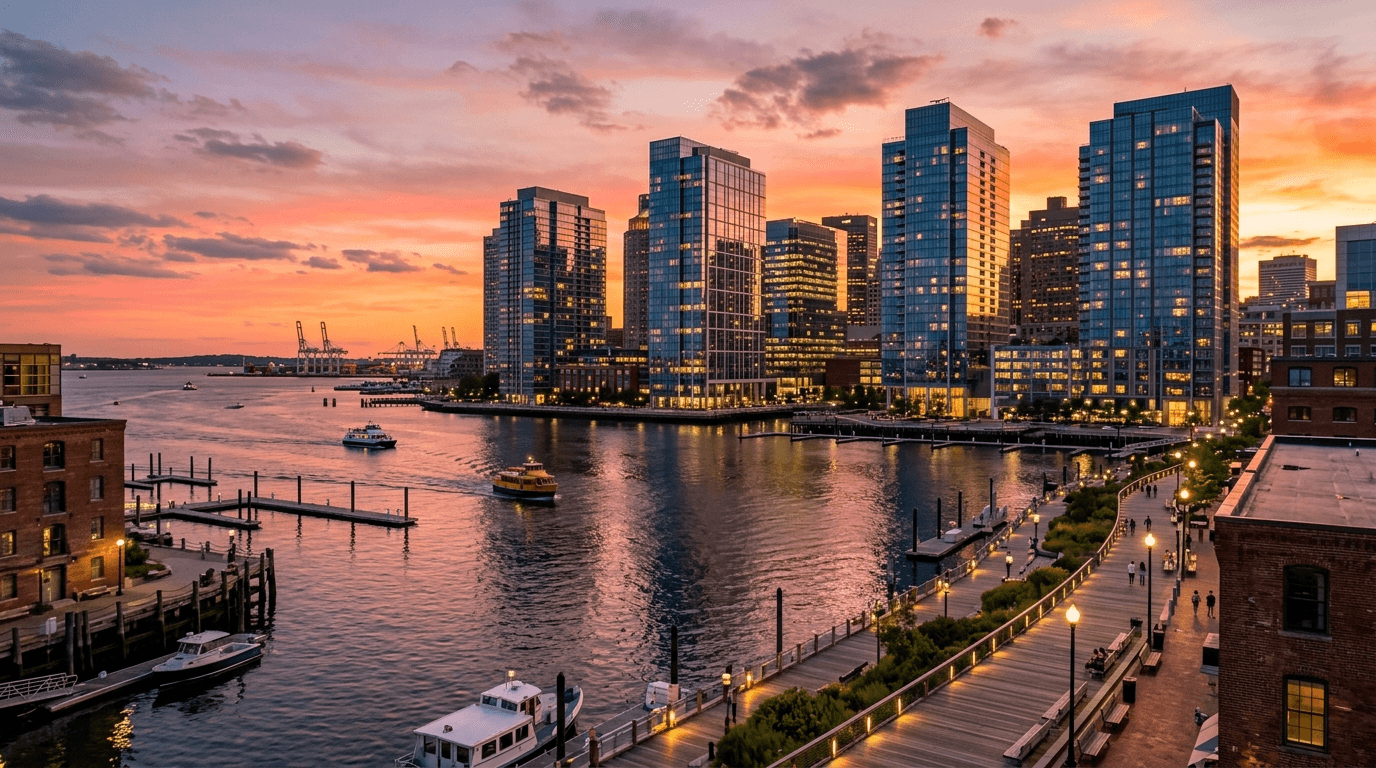
The Harborwalk and Christopher Columbus Park handle the running and the unwinding. A loop from the North End along the harbor to the Seaport ranks among the better urban runs in the city.
Interior pocket parks — Paul Revere Mall behind the Old North Church, DeFilippo Playground, Polcari Park — are where you see the actual neighborhood: kids, dog owners, old-timers on benches. Paul Revere Mall in particular is the quiet counterweight to Hanover Street chaos, and it's a five-minute walk away.
For evenings that aren't dinner-centric, the neighborhood has a small but genuine entertainment anchor:
Improv Asylum
A North End nightlife anchor for young professionals, combining comedy, theater, and a central neighborhood location. Its listed capacity makes it one of the more defined evening-entertainment venues in the area.
Fitness is well covered for a neighborhood this dense — btone FITNESS North End is a staple, and the Greenway and Harborwalk handle the rest.
How Is the Commute from the North End to Downtown Boston and the Seaport?
The North End has one of the best commute profiles in the city — the mean commute time is about 24 minutes, and for anyone working in the Financial District, Government Center, or Downtown Crossing, the fastest option is usually walking.
Mean Commute Times in Young-Professional Neighborhoods
The North End’s reported 24-minute mean commute is competitive with central lifestyle neighborhoods, reinforcing its appeal for workers who want quick access to downtown, transit, and nightlife.
The North End’s reported 24-minute mean commute is competitive with central lifestyle neighborhoods, reinforcing its appeal for workers who want quick access to downtown, transit, and nightlife.
That 24-minute figure puts the North End level with Back Bay and ahead of South Boston, the South End, and Allston — all while sitting immediately adjacent to two major transit hubs.
What transit is available in the North End?
•Haymarket Station (Orange Line and Green Line) sits at the neighborhood's southwestern edge, a 5–10 minute walk from most addresses. This is the workhorse stop — Orange Line to Back Bay and the Longwood-adjacent corridor, Green Line to Kenmore, Fenway, and the Longwood Medical Area.
•North Station (Orange Line, Green Line, and Commuter Rail) is just across the Greenway. If you work north of the city — Cambridge via a transfer, the North Shore, or the 128 corridor — this is your terminal. It's also TD Garden, which matters if you're the kind of person who goes to games on short notice.
•Aquarium Station (Blue Line) is a short walk south and connects to Logan Airport via the Airport stop and shuttle, or through Maverick.
What Is Walking, Biking, and Driving Like in the North End?
Walking is the real answer for most residents. State Street and the Financial District are 10–15 minutes on foot. Faneuil Hall and Government Center, under 10. Beacon Hill, about 15. The Seaport runs 25–30 minutes on foot over the Northern Avenue area, or a quick Silver Line connection.
Bluebikes stations ring the neighborhood along the Greenway and Commercial Street, and the Greenway itself offers a protected route south. Cambridge and Kendall Square are very manageable by bike.
Driving is the weak link, and I'd rather be direct about that than sell a fantasy. I-93 and the Ted Williams Tunnel are close — Logan is often under 15 minutes off-peak — but street parking is scarce, resident permits are competitive, and garage rates are steep. Clients who commute by car to the suburbs are generally happier in Charlestown or South Boston. Clients who work downtown and don't own a car are happier here than almost anywhere else in Boston.
What Should You Know About the North End's Long-Term Outlook?
Supply is the defining constraint here, and it isn't changing. The North End is a landmarked historic district with essentially no developable land. New units come from conversions, not construction, which is why inventory stays structurally tight even when the broader market softens.
That takes on added weight when you look at what's happening regionally. Massachusetts has been pushing significant transit-oriented density requirements onto surrounding communities:
MBTA Communities Zoning Mandate
A regional housing and transit-oriented development mandate that shapes future multifamily capacity near MBTA service—relevant context for long-term supply, density, and development pressure in transit-rich Boston neighborhoods.
Those mandates will add multifamily supply across Greater Boston over the coming years — but almost none of it in the North End, where zoning, historic protections, and physical geography cap the neighborhood permanently. Over a long horizon, that scarcity is the fundamental argument for owning here rather than in a neighborhood where the pipeline can expand.
Who is the North End right for?
It's a strong fit if you:
•Work downtown, in Government Center, or in the Seaport
•Value walkability and social density over square footage
•Don't need a car, or are willing to pay to keep one
•Want the option of a rooftop deck instead of a yard
It's a poor fit if you need quiet, need parking, need three bedrooms at a reasonable price, or need a suburban-style commute.
How Should You Approach the North End Market This Fall?
With a median of roughly 65 days on market and a median sold price sitting well under median list in realtor.com's August 2026 data, buyers currently hold more leverage than the neighborhood's reputation would suggest — particularly on units that have been sitting since spring. September through November has historically been a productive window here: summer tourism has thinned, sellers who listed in June are getting realistic, and the rental market's fall churn frees up inventory.
The right move is almost always property-specific rather than market-wide. Two units on the same block, in the same price band, can carry wildly different association health, noise exposure, and resale profiles. That's the analysis worth doing before you write an offer — and it's exactly the kind of street-level read the North End rewards.
Is the North End in Boston, MA a good place for young professionals to live?
The North End is a strong fit for young professionals who value walkability, restaurants, nightlife, and quick access to downtown. Most daily needs, including groceries, gyms, dry cleaning, the waterfront, and downtown offices, are within about a 15-minute walk.
It is not a quiet neighborhood. Weekends, summer tourism, feast schedules, and busy streets like Hanover can create significant noise and crowding.
What are condos and townhomes like in the North End, Boston, MA?
The North End is primarily a condo market, with many one- and two-bedroom units in 19th-century brick rowhouses and low-rise walk-ups. Common features include exposed brick, original beams, compact layouts, and renovated kitchens or baths.
Townhomes and multi-level units with roof rights are the most coveted options, especially when they offer skyline or harbor views. Newer boutique buildings and waterfront conversions may include elevators, in-unit laundry, and occasionally deeded parking.
How expensive is it to buy or rent in the North End, Boston, MA?
As of August 2026, the North End had a median sold price around $1,000,000, a median list price near $1,173,000, and pricing around $1,093 per square foot. Buyers pay a premium for location rather than square footage.
Renting is often the entry point for professionals. Median one-bedroom rent is about $2,678, while median rent across all unit sizes is roughly $3,500 per month.
What should buyers know about HOA fees and condo costs in the North End, Boston, MA?
North End condo buildings are often old, small associations are common, and reserves matter. Thin association reserves can create financing issues, so buyers should review budgets, reserves, and recent meeting minutes before making an offer.
HOA fees vary widely depending on building features such as elevators and how the association handles masonry, roof work, and other maintenance. A thorough inspection is especially important because many buildings have older systems and older masonry.
Is the North End in Boston, MA good for families?
The North End can work for families that prioritize walkability, parks, and neighborhood energy over private yards and large living spaces. Interior pocket parks such as Paul Revere Mall, DeFilippo Playground, and Polcari Park provide local gathering spaces where residents, kids, dog owners, and longtime locals spend time.
Families should be realistic about tradeoffs. The neighborhood is dense, noisy in some locations, and single-family homes and yards effectively do not exist.
What should families know about schools in the North End, Boston, MA?
The available North End housing profile is more focused on condos, townhomes, commute access, parks, and walkability than on school-specific details. Families considering a move should evaluate school needs alongside the neighborhood’s compact housing, limited outdoor space, and high-density lifestyle.
For many households, the bigger day-to-day question is whether the North End’s walkable, urban environment fits better than a quieter neighborhood with more space and parking.
How is the commute from the North End, Boston, MA to downtown and the Seaport?
The North End has one of Boston’s strongest commute profiles, with a mean commute time of about 24 minutes. For the Financial District, Government Center, Downtown Crossing, and nearby offices, walking is often the fastest option.
State Street and the Financial District are about 10–15 minutes on foot, Faneuil Hall and Government Center are under 10 minutes, and Beacon Hill is about 15 minutes away. The Seaport is roughly a 25–30 minute walk or accessible by a quick Silver Line connection.
Do you need a car in the North End, Boston, MA?
Most North End residents do not need a car for daily life because the neighborhood is highly walkable and close to transit. Haymarket, North Station, and Aquarium Station provide access to the Orange Line, Green Line, Blue Line, Commuter Rail, and airport connections.
Driving is the weak point. Street parking is scarce, resident permits are competitive, garage rates are steep, and deeded parking is rare and expensive.