Neighborhood Hub
Boston, MA
September 9, 2026
10Villages
Boston, MA Essential Guide: Walkable City Living for Young Professionals
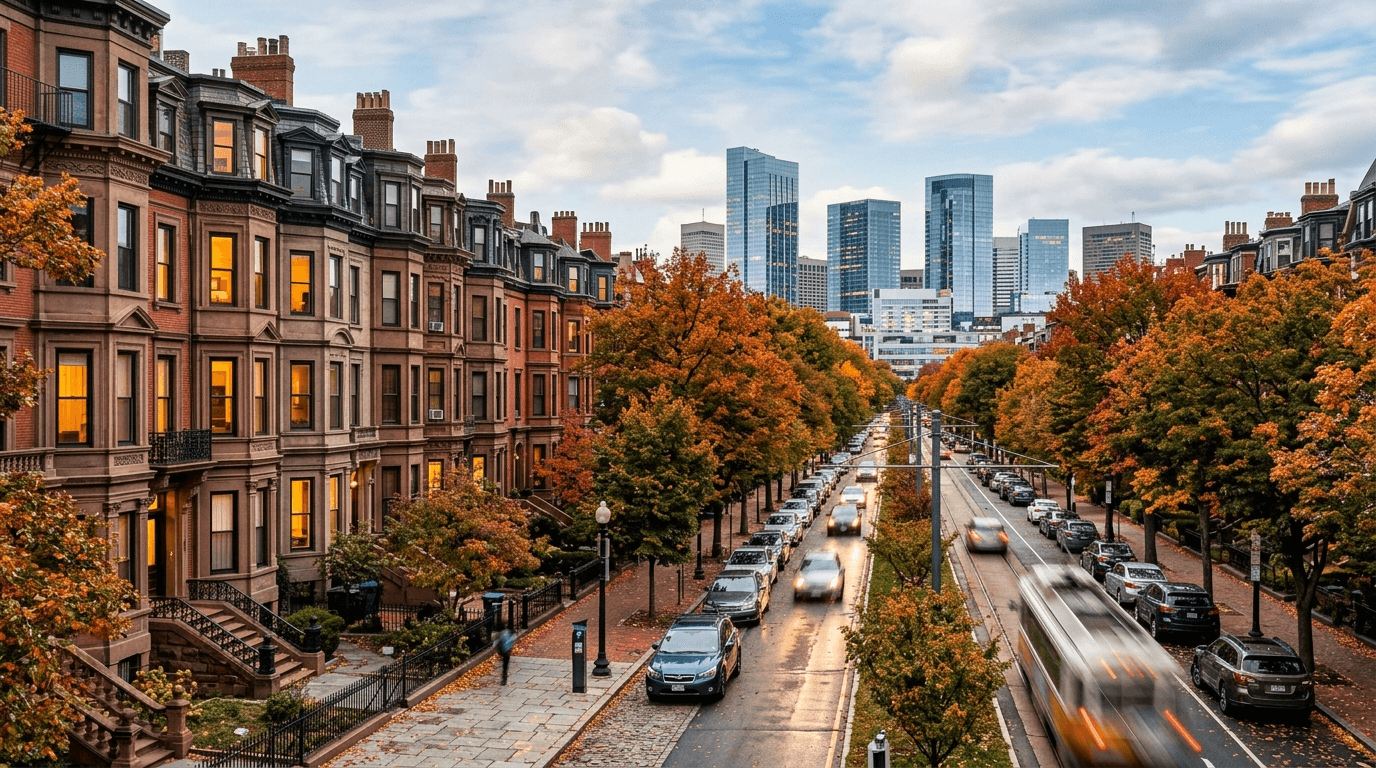
Explore Boston’s fast, walkable urban vibe: MBTA lines, 10.0 months condo supply, $790K median condos, Seaport patios, brownstones & car-free commutes.

Written ByAndrew Schwartz
PublishedSeptember 9, 2026
We're SmartHub Boston, a data-driven brokerage led by Andrew Schwartz serving buyers, sellers, investors and landlords across Boston, Cambridge, Newton and Brookline. Serving Boston, Newton, Brookline, Cambridge, Somerville, Watertown, Natick, Wellesley and Weston, MA.
Boston, MA
Region
10
Villages
Local Spots & Favorites
Explore Boston, MA Neighborhoods
Dive deeper into the specific villages and communities that make Boston, MA unique.
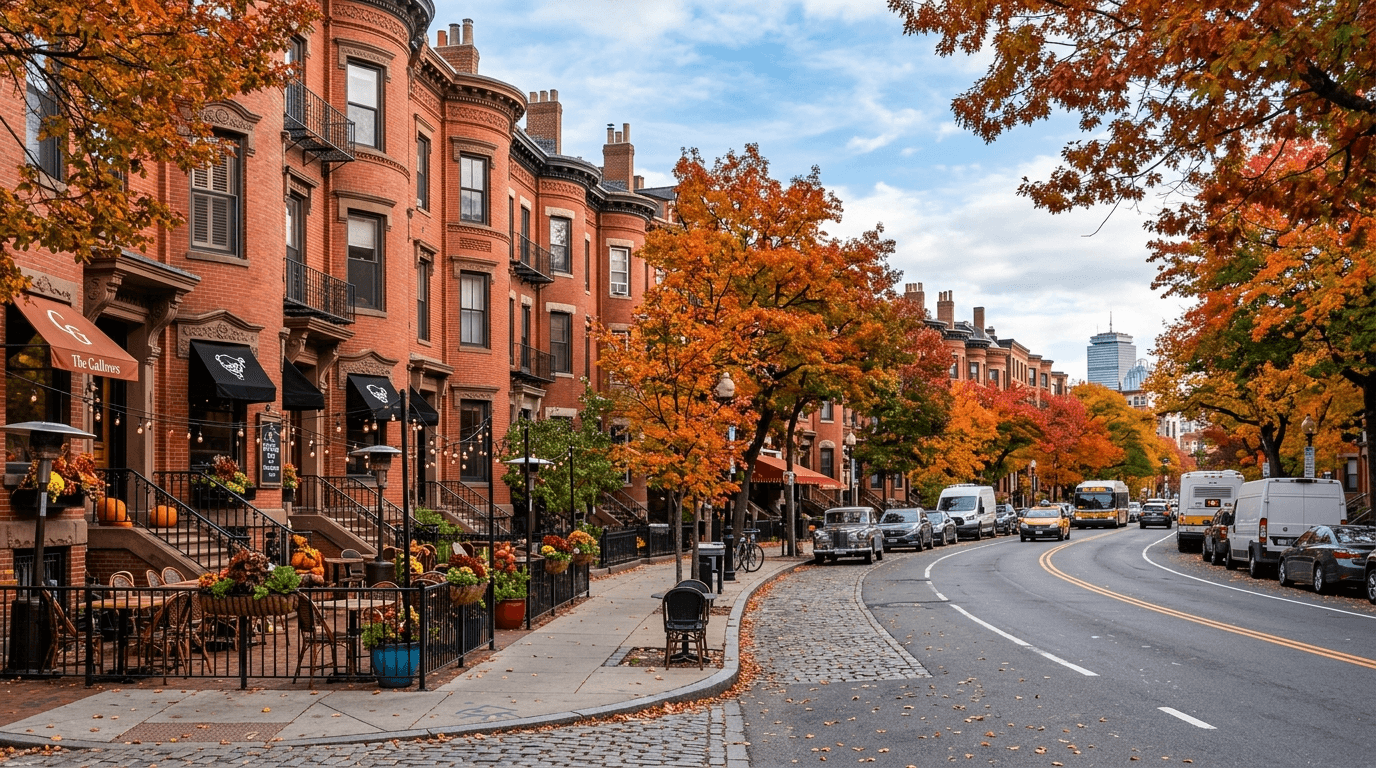
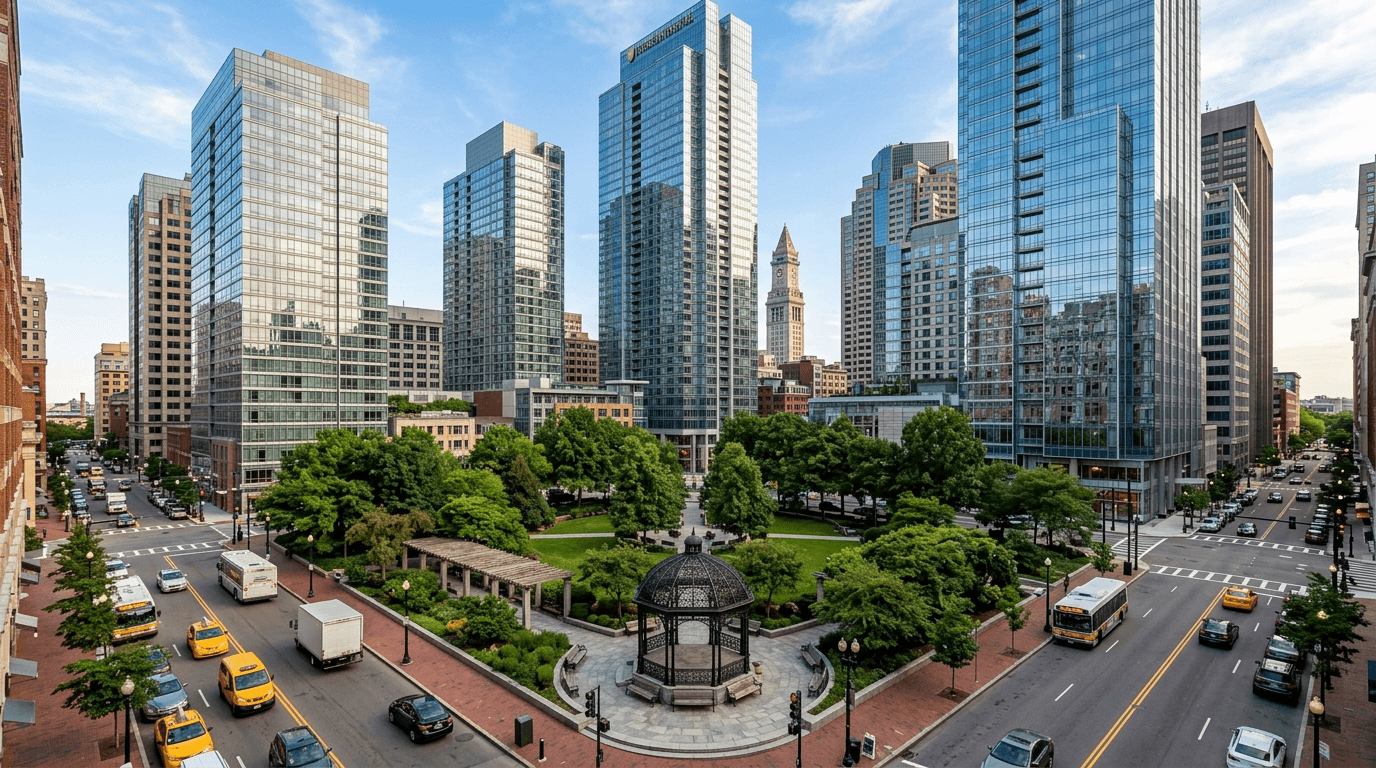
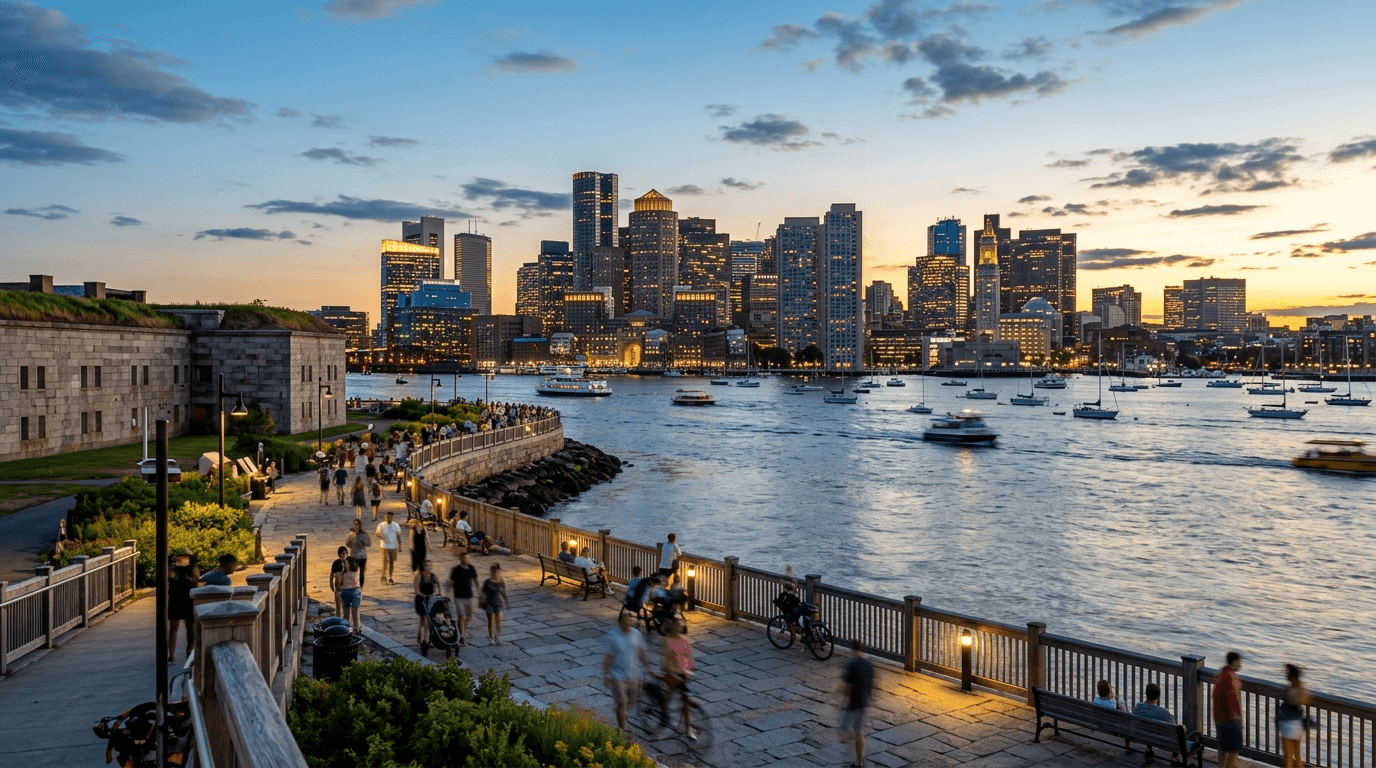
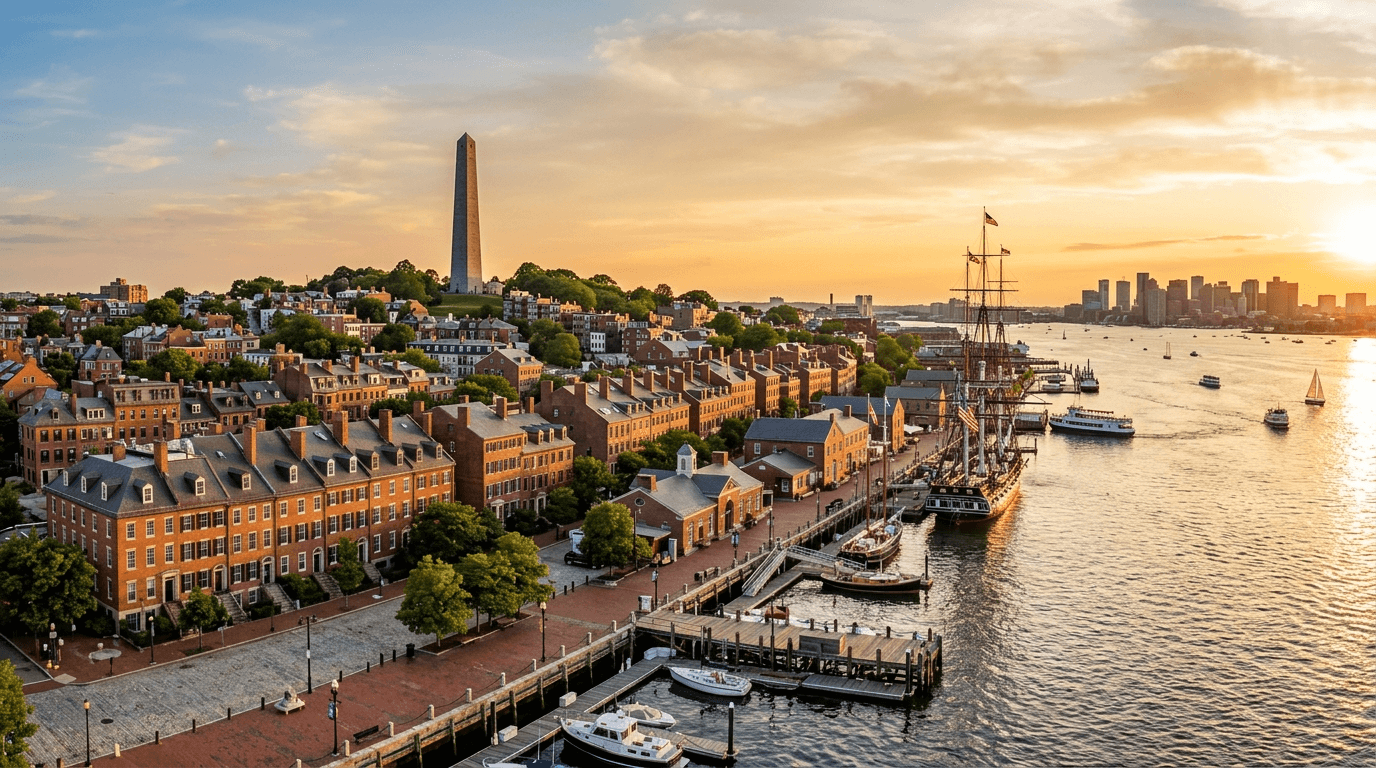
Frequently Asked Questions
Is Boston, MA a good place for young professionals to live without a car?
Yes. Boston, MA is one of the rare major U.S. cities where car-free living is practical, especially for young professionals. The MBTA subway, commuter rail, buses, ferries, Bluebikes, and walkable neighborhood layout make driving optional in many areas.
How expensive is it to live in Boston, MA?
Boston, MA has a high cost of living, running about 48% above the national average overall. Housing is roughly 107% more expensive than the U.S. baseline, and average monthly rent across the city is about $3,400, with a practical range of roughly $1,500 to $5,000 depending on neighborhood, unit size, and roommates.
Are condos and townhomes in Boston, MA a good option for first-time buyers?
Condos and townhomes are a major part of Boston, MA housing, and the market is relatively buyer-friendly compared with recent years. As of July 2026, the condo/townhouse segment had a median sold price of $790,000, a median 48 days on market, and 10.0 months of supply.
What should buyers know about HOA fees for Boston, MA condos?
Boston condo owners should budget carefully for monthly HOA costs and building reserves. Average monthly HOA fees are around $575, average annual condo insurance is near $2,100, and special assessments in older or larger buildings have averaged roughly $15,000 when they occur.
What are the best Boston, MA neighborhoods for affordability and transit access?
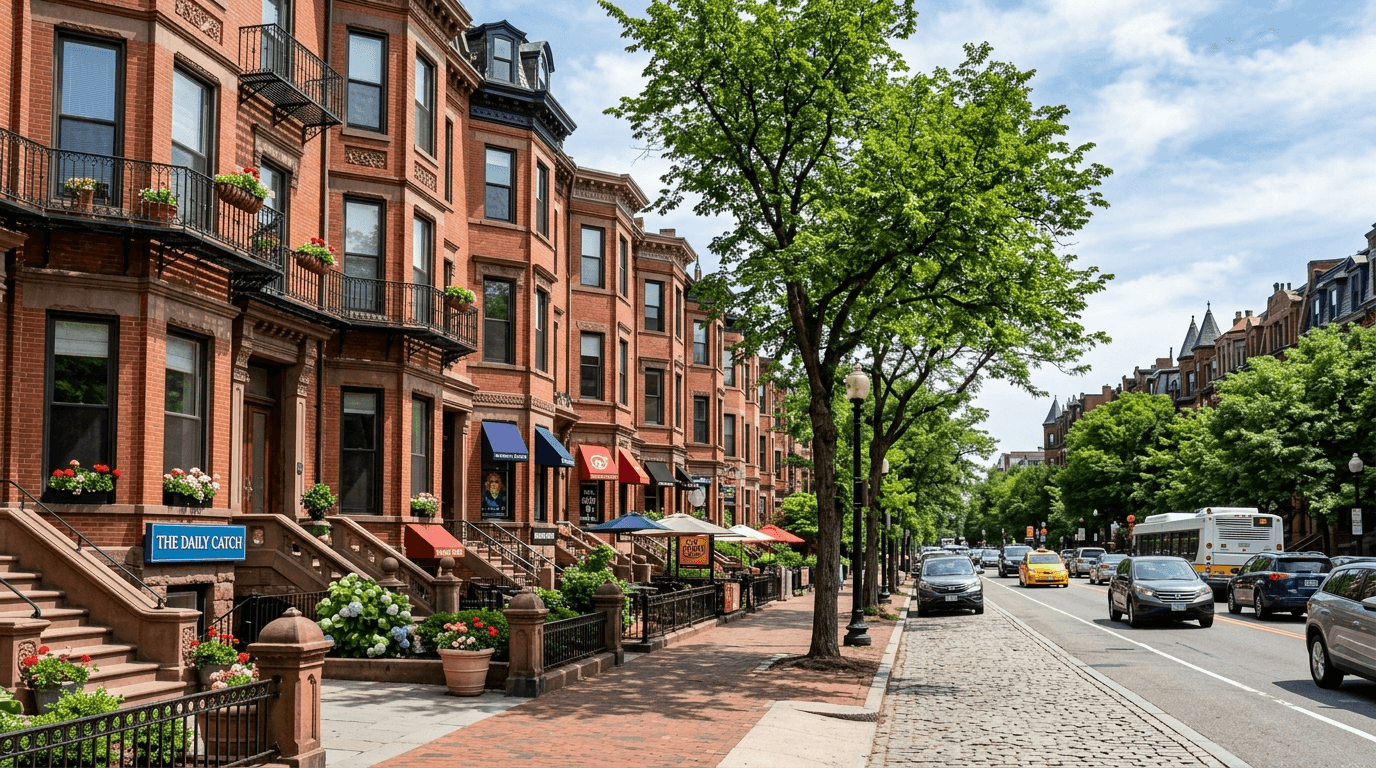
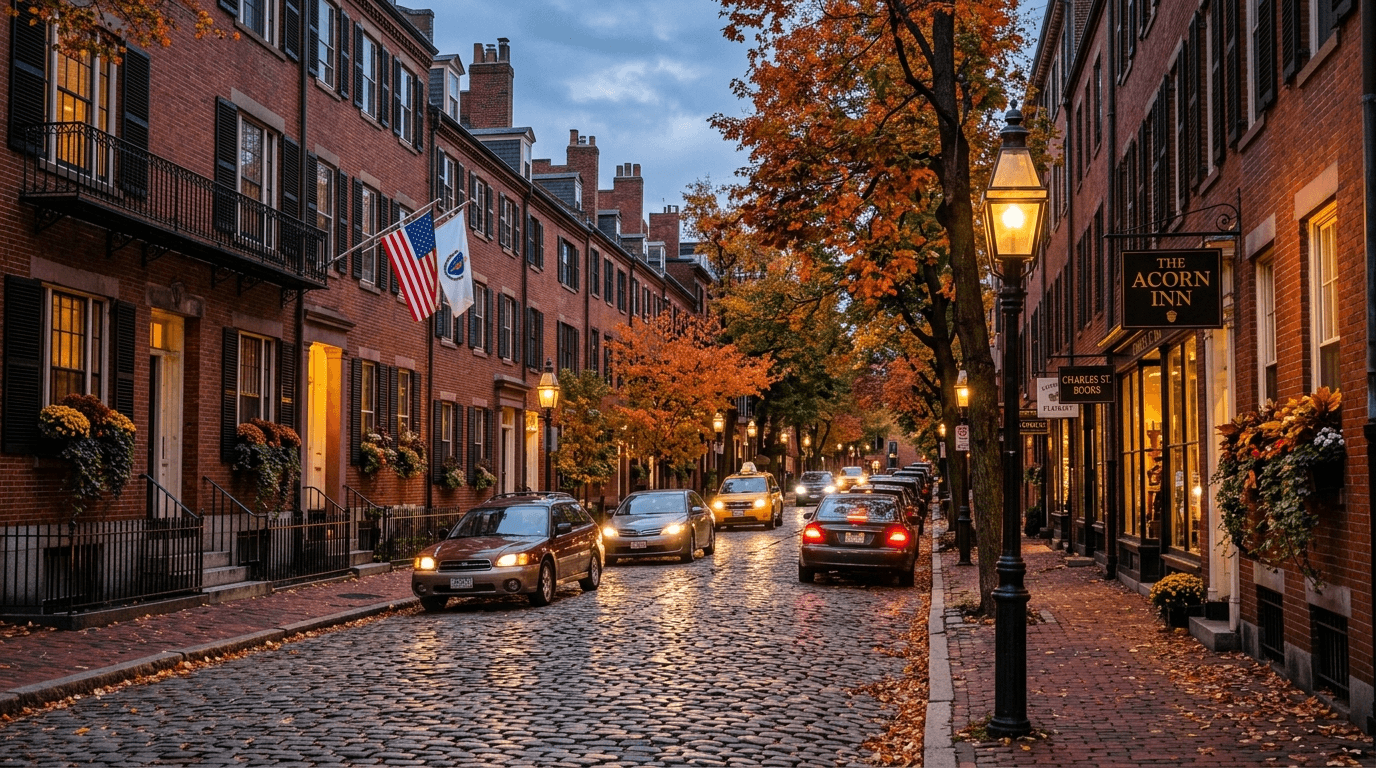
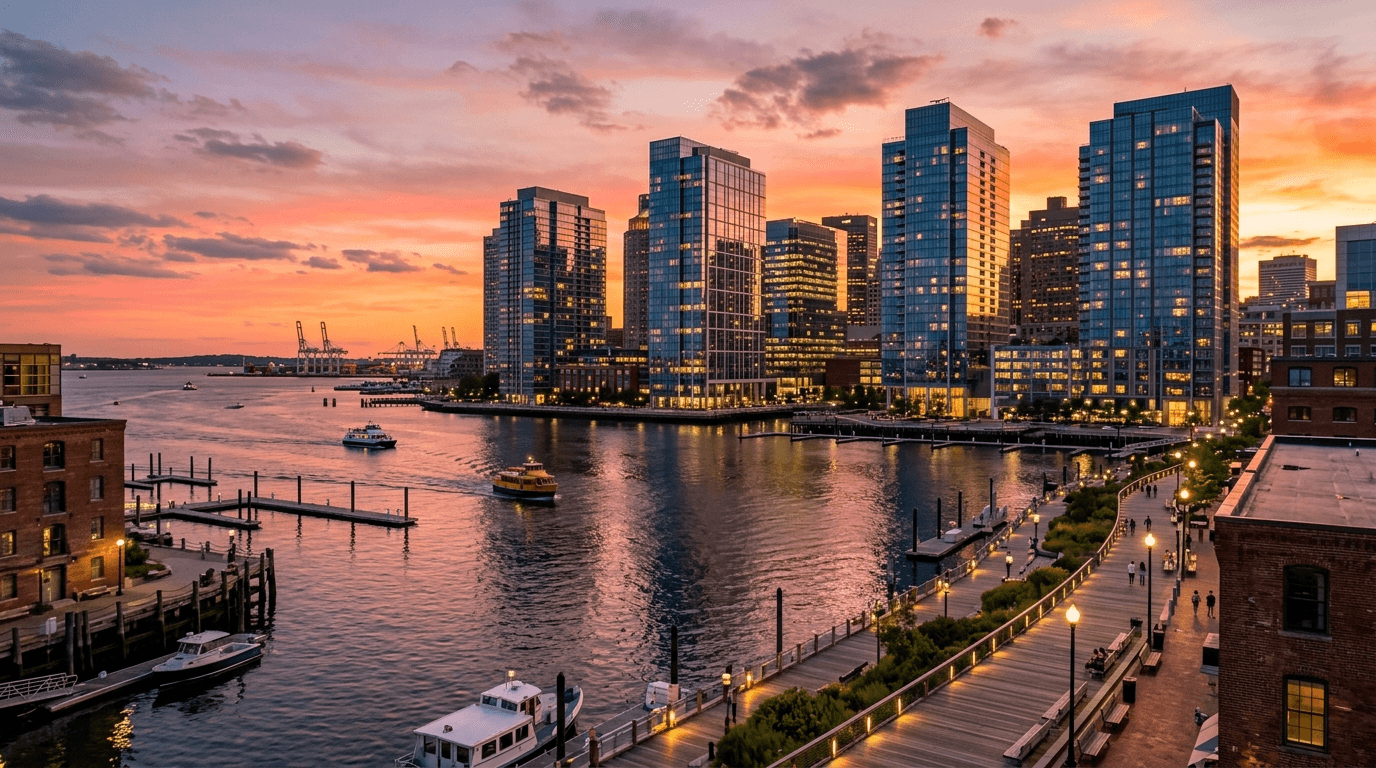
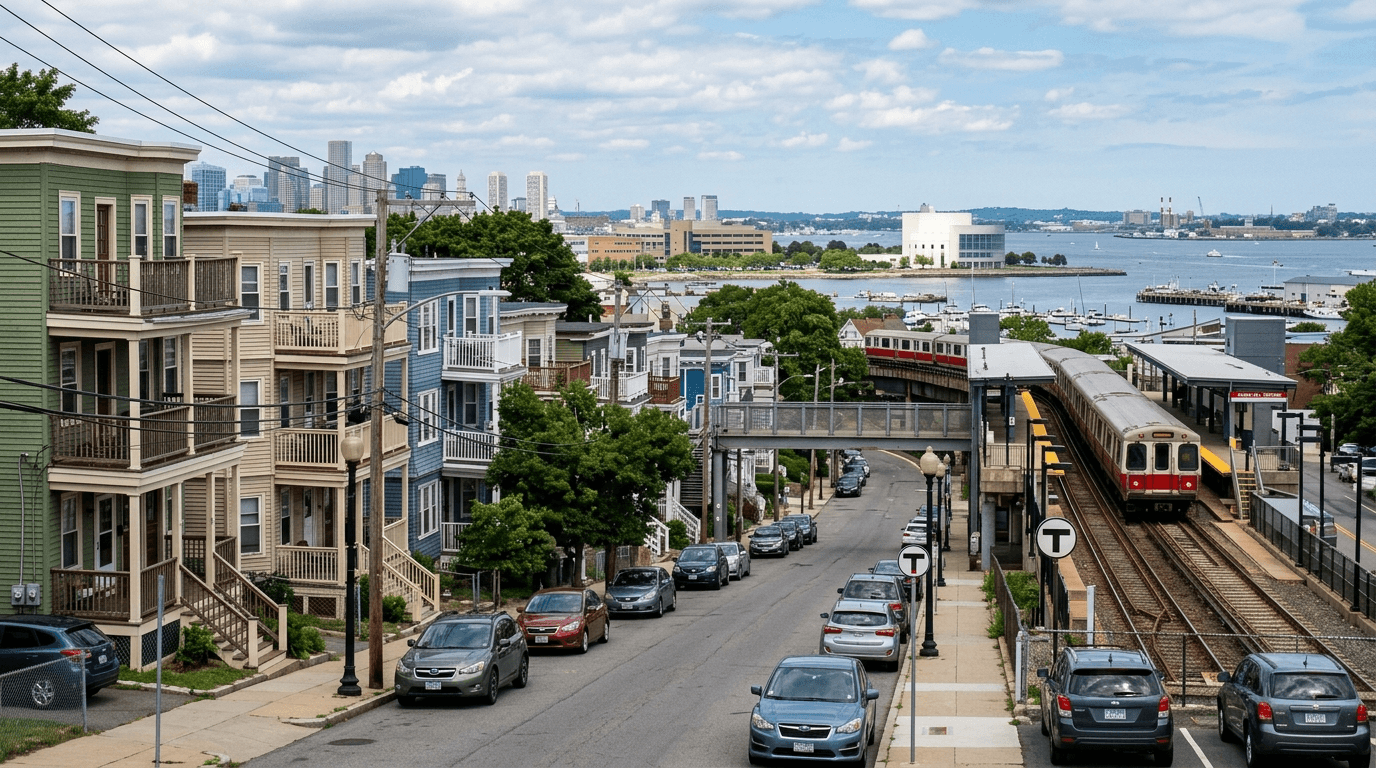
East Boston, Jamaica Plain, and Allston-Brighton are highlighted as more affordable, more residential options compared with Back Bay, Beacon Hill, or the Seaport. These neighborhoods still offer city access, with East Boston connected by the Blue Line, Jamaica Plain served by the Orange Line, and Allston-Brighton served by the Green Line.
Is Boston, MA a good city for families?
Boston, MA offers strong urban advantages for families, including dense walkability, major parks, transit access, and a citywide safety profile that ranks well for a city of its size. It has ranked 13th safest city in the USA, with a violent crime rate below the national average.
What is the school and college environment like in Boston, MA?
Boston, MA has a large academic presence, with 35 higher-education institutions and roughly 152,000 students enrolled annually. That college-town scale keeps the city young, active, and especially busy during September move-in season.
How do commutes work in Boston, MA?
Boston, MA commutes are built around the MBTA, known as the T. The Red Line serves Cambridge, Downtown Crossing, South Station, Dorchester, and Quincy/Braintree; the Green Line serves Back Bay, Fenway, Longwood, Allston-Brighton, Somerville, and Medford; the Orange Line connects Jamaica Plain, Back Bay, Downtown, and North Station; and the Blue Line connects East Boston, Revere, Downtown, and Logan Airport.

Interested in Boston, MA?
Whether you're buying or selling, I can help you navigate this market.